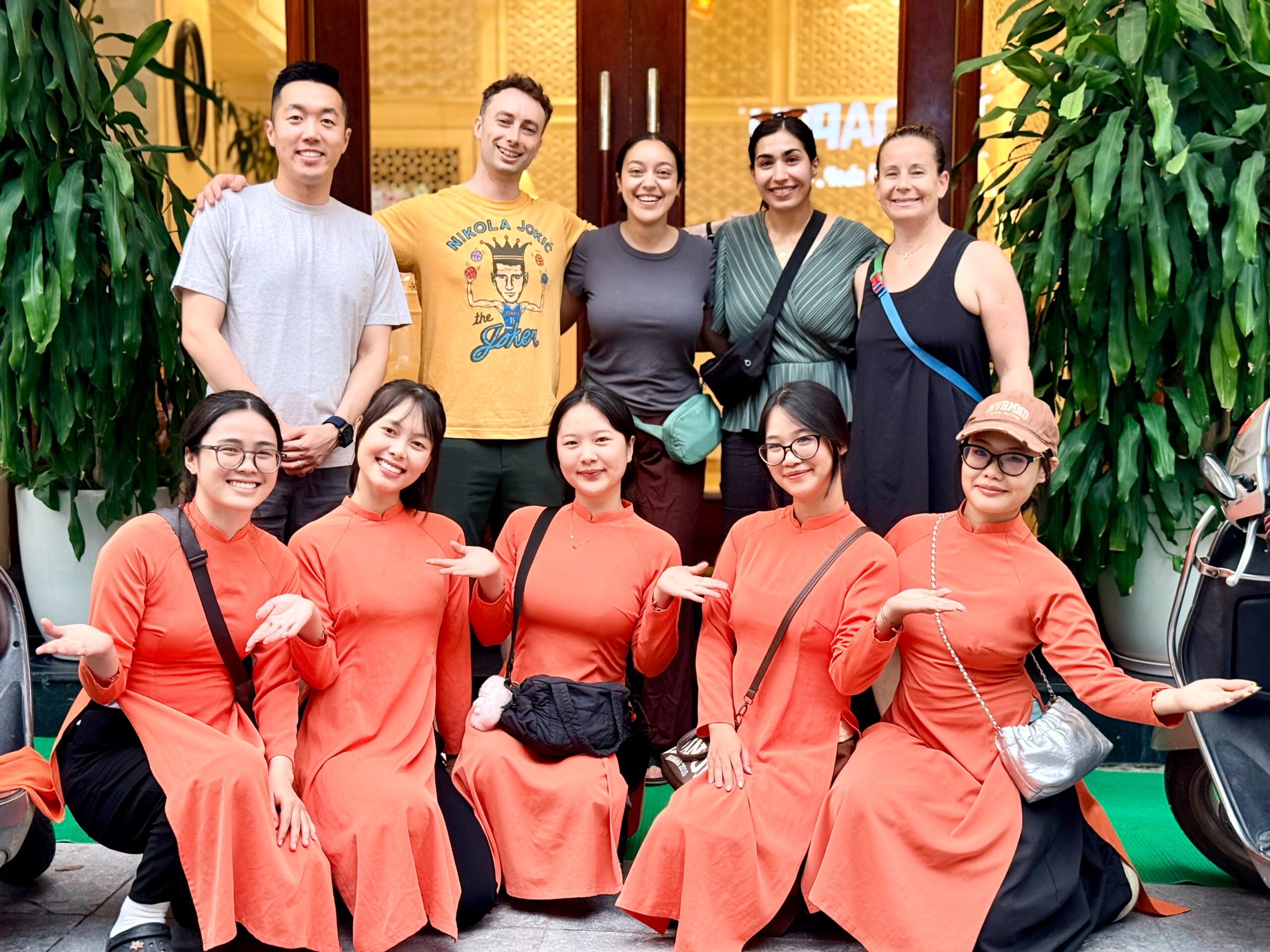
Vietnam Airport Guide: Arrivals, Transfers & Transportation
For most international travelers, the airport is the first practical challenge after arriving in Vietnam. You need to understand immigration, baggage collection, customs, currency exchange, SIM cards, airport transfers, taxis, ride-hailing and the best way to reach your hotel. Vietnam has several major international airports, and each one has a slightly different layout and transportation situation.
The three main gateways for international travelers are Noi Bai International Airport in Hanoi, Tan Son Nhat International Airport in Ho Chi Minh City and Da Nang International Airport in Central Vietnam. Other important international gateways include Phu Quoc International Airport, Cam Ranh International Airport, Cat Bi International Airport and Phu Bai International Airport. Depending on your itinerary, you may enter Vietnam through one airport and leave through another, which is often the most efficient way to travel.
For first-time visitors, the most important airport rule is simple: know your terminal before leaving for the airport, arrange your first transfer in advance when possible, and allow extra time for immigration and traffic. Vietnam’s major airports can become extremely busy during weekends, public holidays and Tet, so a journey that normally takes 30 minutes can occasionally take much longer.
Vietnam Airport Guide at a Glance
| Airport | City / Region | Code | Best For | Main Transfer Options |
|---|---|---|---|---|
| Noi Bai International Airport | Hanoi | HAN | Northern Vietnam | Private car, taxi, bus |
| Tan Son Nhat International Airport | Ho Chi Minh City | SGN | Southern Vietnam | Private car, taxi, ride-hailing, bus |
| Da Nang International Airport | Da Nang | DAD | Central Vietnam | Private car, taxi, ride-hailing |
| Cam Ranh International Airport | Nha Trang / Khanh Hoa | CXR | Beach resorts | Private car, taxi, shuttle |
| Phu Quoc International Airport | Phu Quoc | PQC | Island holidays | Private car, taxi, shuttle |
| Cat Bi International Airport | Hai Phong | HPH | Hai Phong & Ha Long area | Private car, taxi |
| Phu Bai International Airport | Hue | HUI | Hue | Private car, taxi |
| Can Tho International Airport | Mekong Delta | VCA | Can Tho & Delta | Private car, taxi |
Which Airport Should You Fly Into in Vietnam?
The best airport depends on your itinerary rather than simply the cheapest flight.
Choose Hanoi’s Noi Bai Airport for Northern Vietnam, including Hanoi, Ninh Binh, Ha Long Bay, Sapa and Ha Giang. Choose Da Nang Airport for Da Nang, Hoi An and much of Central Vietnam. Choose Tan Son Nhat Airport for Ho Chi Minh City and the Mekong Delta. Choose Phu Quoc Airport if the main purpose of your trip is a tropical island holiday. For Nha Trang, Cam Ranh Airport is the major gateway, while Phu Bai Airport is convenient for Hue.
For a nationwide trip, an open-jaw itinerary can be especially efficient: fly into Hanoi and fly home from Ho Chi Minh City, rather than returning to the same city at the end of your trip.
1. Noi Bai International Airport – Hanoi
Noi Bai International Airport is the primary gateway to Northern Vietnam and serves Hanoi. It is located in Soc Son, roughly 30 kilometers from central Hanoi depending on the exact destination and route. The airport operates around the clock and has two main passenger terminals: T1 for domestic flights and T2 for international flights.
International travelers arriving in Hanoi normally use Terminal 2. After immigration, baggage collection and customs, you enter the public arrivals area where you can meet your driver, arrange transport or continue toward Hanoi city.
The airport is considerably farther from the Old Quarter than many travelers expect, so arranging transportation before arrival is worthwhile, especially when landing late at night.
2. Noi Bai International Airport to Hanoi Old Quarter
The journey from Noi Bai to the Old Quarter commonly takes around 40–60 minutes, but traffic can make it longer. During peak hours or heavy rain, allow additional time.
The most convenient option for first-time visitors is a pre-arranged private car. A taxi or ride-hailing service can also work well, while public buses provide a cheaper alternative for travelers who do not mind carrying luggage and making a less direct journey.
For families, couples with several suitcases and travelers arriving after a long international flight, private airport transfer is usually the easiest option.
3. Noi Bai Airport to Hanoi by Private Car
A private airport transfer offers several advantages. Your driver can monitor the flight, meet you at the airport, help with luggage and take you directly to your hotel. This becomes particularly useful when your hotel is inside a narrow Old Quarter street where the driver may need to coordinate a nearby meeting point.
For premium travelers, private car is the simplest airport arrival option.
4. Noi Bai Airport to Hanoi by Taxi
Taxis are available at the airport, but travelers should use established taxi companies and official taxi ranks. Avoid accepting unsolicited offers from people approaching you inside the arrivals hall.
Before entering a taxi, check the approximate destination, confirm whether the fare is metered or fixed and make sure you understand where you are going.
5. Noi Bai Airport by Ride-Hailing
Ride-hailing can be convenient for travelers already familiar with the relevant apps. However, airport pickup zones can change, and finding your driver may require walking to a designated location.
For first-time visitors arriving after midnight, a pre-arranged private pickup can be less stressful.
6. Noi Bai Airport Shuttle Between Terminals
Passengers connecting between T1 and T2 should allow time to transfer between terminals. Complimentary airport shuttle services operate between the terminals, with the exact service pattern subject to airport operations.
If you have an international-to-domestic connection, do not assume that you can walk directly from one gate to another. You may need to complete immigration, collect baggage and transfer between terminal buildings.
7. Arriving at Noi Bai on an International Flight
The usual sequence is:
Arrival → Immigration → Baggage Claim → Customs → Arrivals Hall → Transportation
Keep your passport, visa information and boarding documents accessible until you have completed immigration.
For travelers requiring a visa, make sure your Vietnam visa or e-visa is valid for the actual date and entry point.
8. Tan Son Nhat International Airport – Ho Chi Minh City
Tan Son Nhat International Airport is the primary airport for Ho Chi Minh City and one of the busiest airports in Vietnam. It is located close to the central districts, but its short geographical distance does not always mean a fast transfer because traffic around the airport can be heavy.
Tan Son Nhat now has three passenger terminals: T1, T2 and T3. T1 is used for domestic operations by certain airlines, T2 handles international flights, and T3 has become a major domestic terminal, including the relocation of most Vietnam Airlines domestic services. Airline and route-specific exceptions remain, so always check the terminal shown on your boarding pass or booking.
9. Tan Son Nhat Terminal 3
Terminal 3 opened for passenger operations in 2025 and significantly expanded domestic passenger capacity at Tan Son Nhat.
For travelers flying domestic Vietnam Airlines routes, T3 is now an important departure and arrival terminal. However, travelers should not assume every domestic airline or route uses T3. For example, VietJet domestic flights continue to use T1, while certain Vietnam Airlines routes and other carriers may remain at T1 depending on the service.
The safest rule is:
Check your airline and flight number before leaving for the airport.
Do not simply tell your driver “Tan Son Nhat Airport.” Tell the driver T1, T2 or T3.
10. Tan Son Nhat Airport to District 1
The airport is relatively close to District 1, but traffic can be unpredictable.
Under normal conditions, the journey may take around 20–40 minutes, while heavy traffic can significantly extend the travel time.
For an international arrival, allow enough time for immigration, baggage, customs and the road journey before scheduling another activity.
11. Tan Son Nhat Airport to Ho Chi Minh City by Private Car
Private airport transfer is one of the easiest options for families, couples and first-time visitors.
A driver can meet you after customs and take you directly to your hotel.
This is particularly useful when your accommodation is in District 1, District 3 or another area where traffic and one-way streets can make navigation complicated.
12. Tan Son Nhat Airport by Taxi
Official taxi ranks are available at the airport.
Choose reputable taxi companies and avoid unofficial drivers who approach passengers in the terminal.
During busy periods, queues can form at the taxi area, so pre-arranging a private car can save time.
13. Tan Son Nhat Airport by Ride-Hailing
Ride-hailing is widely used in Ho Chi Minh City, but airport pickup instructions can be confusing for first-time visitors.
Follow the app’s designated pickup location rather than accepting a driver who approaches you.
T3 has its own traffic and pickup arrangements, so check the current pickup instructions before traveling.
14. Tan Son Nhat Terminal Transfers
Passengers transferring between T1, T2 and T3 should allow extra time. Free shuttle arrangements are available for certain airport connections, but the exact route and operating conditions can change.
Do not schedule a very tight connection when moving between terminals.
If you arrive internationally at T2 and continue on a domestic flight, you generally need to complete immigration and baggage procedures before continuing to the domestic terminal.
15. International Arrival at Tan Son Nhat
The usual sequence is:
T2 Arrival → Immigration → Baggage Claim → Customs → Public Arrivals Area → Transfer
If you have a domestic connection, allow additional time for terminal transfer and domestic check-in.
For travelers continuing to the Mekong Delta by private car, arrange the driver to meet you after customs rather than trying to coordinate transportation before you have cleared immigration.
16. Da Nang International Airport
Da Nang International Airport is the primary gateway to Central Vietnam. It is particularly convenient for travelers visiting Da Nang, Hoi An, Hue, My Son and the Central Coast.
The airport has separate domestic and international passenger terminals, generally referred to as T1 and T2.
One of the biggest advantages of Da Nang Airport is its location close to the city. The airport is only a few kilometers from central Da Nang, making transfers much easier than at Hanoi or Ho Chi Minh City’s airports.
17. Da Nang Airport to Da Nang City
The journey to the central city is usually short.
A taxi, ride-hailing car or private vehicle is convenient.
Many hotels can also arrange airport pickup.
For a first visit, there is little reason to use an expensive transportation solution unless you are traveling with a large group or want a private meet-and-greet service.
18. Da Nang Airport to Hoi An
Hoi An does not have its own commercial airport, so international and domestic visitors generally fly into Da Nang and continue by road.
The drive usually takes around 40–60 minutes, depending on traffic and the location of your hotel.
A private car is particularly convenient because you can go directly from the airport to your Hoi An accommodation without changing vehicles.
19. Da Nang Airport to Hue
Hue is farther from Da Nang than Hoi An, but the journey can become one of the highlights of the trip.
A private car can travel via the Hai Van Pass, with optional stops at coastal viewpoints and Lang Co.
The transfer can therefore function as both transportation and sightseeing.
20. Arriving in Da Nang From an International Flight
International passengers normally arrive at Terminal 2, complete immigration and collect luggage before entering the public arrivals area.
Your driver should meet you at the designated arrivals meeting point.
Do not leave the terminal without confirming where your driver is waiting.
21. Cam Ranh International Airport
Cam Ranh International Airport is the main air gateway for Nha Trang and Khanh Hoa Province.
The airport is located outside central Nha Trang, so the road transfer is longer than the transfer from Da Nang Airport to Da Nang.
For beach-resort travelers, private airport transfers are especially convenient because many resorts are located along the coast rather than in central Nha Trang.
22. Cam Ranh Airport to Nha Trang
The road journey to central Nha Trang commonly takes around 35–60 minutes, depending on traffic and exact destination.
Hotels and resorts frequently arrange private airport transfers.
Taxis and other transportation options are also available.
23. Cam Ranh Airport to Beach Resorts
If you are staying at a resort along Bai Dai or another coastal area, check the exact address carefully.
Some properties can be considerably farther from the terminal than central Nha Trang.
A private vehicle is usually the most convenient option when carrying luggage.
24. Phu Quoc International Airport
Phu Quoc International Airport is the main gateway to Vietnam’s most famous island destination.
The airport serves travelers staying around:
Long Beach
Duong Dong
Ong Lang
An Thoi
Northern Phu Quoc
The airport is relatively convenient for most major resort areas.
25. Phu Quoc Airport to Long Beach
For travelers staying along Long Beach, the transfer is usually short and straightforward.
Many resorts provide airport shuttle or private transfer services.
Taxi and other local transportation options are also available.
26. Phu Quoc Airport to Duong Dong
Duong Dong is another convenient destination from the airport.
The transfer generally takes around 20–30 minutes, depending on traffic and exact hotel location.
27. Phu Quoc Airport to Ong Lang
Ong Lang is farther north than Duong Dong.
Allow additional road time compared with Long Beach.
A private transfer is especially useful for families and travelers arriving with surfboards, diving equipment or substantial luggage.
28. Phu Quoc Airport to An Thoi
An Thoi lies in the southern part of the island.
The road journey takes longer than transfers to Long Beach or Duong Dong, but staying in An Thoi can be convenient when island-hopping and Hon Thom are your main priorities.
29. Cat Bi International Airport – Hai Phong
Cat Bi International Airport serves Hai Phong and is another useful gateway for Northern Vietnam.
It can be convenient for travelers heading toward Hai Phong, Cat Ba and the Ha Long Bay area, depending on their itinerary.
A private car can provide a more direct connection between the airport and your final destination.
30. Phu Bai International Airport – Hue
Phu Bai International Airport serves Hue and is useful for travelers beginning a Central Vietnam itinerary in the imperial city.
The airport is outside the central city, but the transfer is considerably simpler than many long-distance airport journeys.
Private cars and taxis are the most convenient options.
31. Can Tho International Airport
Can Tho International Airport provides air access to the Mekong Delta.
However, travelers should not automatically assume it is the best airport for every Mekong itinerary.
If your main experience is Ben Tre, the road journey from Ho Chi Minh City may be more logical.
If your itinerary is centered around Can Tho, Cai Rang Floating Market and the western Mekong Delta, flying into Can Tho can make sense.
32. Arriving at a Vietnamese Airport for the First Time
The arrival process is usually straightforward.
Follow the signs for:
Immigration
Baggage claim
Customs
Exit
Do not rush.
Keep your passport and visa documentation accessible until you have fully completed the arrival process.
33. Immigration in Vietnam
Foreign travelers requiring visas should present their passport and appropriate immigration documentation.
If you are traveling under visa exemption, immigration officers will verify your passport and eligibility.
Keep your e-visa copy available on your phone and preferably carry a printed backup.
34. Baggage Claim
After immigration, follow signs for the baggage belts.
Check the screens for your flight number.
If your luggage does not appear, go directly to the airline’s baggage assistance desk before leaving the baggage area.
Take a photograph of your luggage if you are concerned about identifying it quickly.
35. Customs in Vietnam
After collecting your luggage, follow customs procedures.
Most ordinary tourists with nothing to declare can follow the appropriate exit channel.
If you are unsure whether something requires declaration, ask a customs officer rather than guessing.
36. Currency Exchange at the Airport
Vietnamese dong is useful immediately after arrival.
You may need cash for:
Taxi
Coffee
Small purchases
Tips
Local transport
Airport exchange counters are convenient, but they may not always offer the best rate.
Avoid exchanging your entire travel budget at the airport.
37. ATMs at Vietnamese Airports
Major international airports normally have ATMs.
Using a bank-operated ATM is preferable to accepting cash from unofficial money changers.
Check your bank’s international withdrawal fee and the ATM’s transaction limits.
38. Should You Buy a SIM Card at the Airport?
Buying a local SIM or eSIM can be useful because you need data for:
Maps
Ride-hailing
Translation
Hotel communication
Flight information
Airport SIM counters are convenient, but travelers can also use eSIMs or purchase SIM services elsewhere.
Check that the SIM is legally registered according to current Vietnamese requirements.
39. Airport Wi-Fi
Major Vietnamese airports generally provide public Wi-Fi.
However, don’t rely entirely on airport Wi-Fi.
Have your accommodation address saved offline and make sure your phone can access your booking information without an internet connection.
40. Meeting Your Private Driver
If a driver is collecting you, confirm the meeting instructions before landing.
The most useful information is:
Driver name
Vehicle type
Phone number
Meeting point
Hotel destination
Flight number
Flight number is particularly important because a professional driver can monitor delays.
41. What If Your Flight Is Delayed?
A pre-arranged driver should be given your flight number.
The best transfer companies monitor arrival times and adjust pickup accordingly.
If you arrange your own taxi, communicate the delay to the transportation provider when possible.
42. What If Your Flight Arrives After Midnight?
Pre-book a private airport transfer.
Late-night transportation may still be available at major airports, but first-time travelers may prefer having someone waiting for them.
This is especially useful for:
Families
Solo travelers
Seniors
Travelers carrying significant luggage
43. Airport Transfers for Families
Families usually benefit from private transportation.
A private vehicle provides:
Child-friendly space
Luggage room
Direct hotel drop-off
No waiting for strangers
Flexible pickup
For young children, confirm whether child seats are available before arrival.
44. Airport Transfers for Seniors
Seniors may find a private transfer more comfortable than waiting in a taxi queue after a long flight.
Request assistance if mobility is limited.
Airports also provide assistance services, but arrangements should generally be made through the airline in advance.
45. Airport Transfers for Couples
Couples have several options.
A taxi is practical.
Ride-hailing is usually inexpensive.
A private car provides the easiest arrival, especially when arriving late or staying in a complicated Old Quarter location.
46. Airport Transfers for Solo Travelers
Solo travelers can reduce costs using:
Public buses
Ride-hailing
Shared shuttles
Standard taxis
A private transfer is still useful when arriving late at night or when staying in a remote area.
47. Airport Transfers for Luxury Travelers
Luxury travelers should consider:
Private sedan
Premium MPV
Meet-and-greet
Flight monitoring
Luggage assistance
A premium airport experience should be smooth from aircraft to hotel.
48. Airport Transportation by Taxi
Taxis are convenient at major airports.
Always use official taxi areas.
Do not accept a ride from someone who approaches you inside the terminal claiming to be a taxi driver.
At the end of the trip, you can also ask your hotel to arrange a reputable taxi.
49. Airport Transportation by Ride-Hailing
Ride-hailing is popular in Vietnam and can be good value.
The main difficulty at airports is finding the correct pickup point.
Follow the app’s instructions and verify the license plate and driver information before entering the vehicle.
50. Airport Bus Services
Airport buses are usually the cheapest form of transportation between airports and cities.
They can be particularly useful in Hanoi and Ho Chi Minh City.
However, buses may take longer, have fixed routes and require walking with luggage.
51. Private Airport Transfer vs Taxi
| Feature | Private Transfer | Taxi |
|---|---|---|
| Advance booking | Yes | Usually no |
| Driver waiting | Yes | Queue at airport |
| Flight monitoring | Often | Usually not |
| Fixed price | Usually | Depends on fare |
| Best for families | Excellent | Good |
| Best for late arrivals | Excellent | Good |
| Flexibility | High | Moderate |
| Convenience | Very high | High |
For first-time visitors, private transfers provide the least uncertainty.
52. Private Airport Transfer vs Ride-Hailing
Ride-hailing is usually cheaper.
Private transfers provide more certainty.
Choose ride-hailing when:
You have mobile data
You understand the pickup location
You are comfortable navigating the airport
Choose private transfer when:
You arrive internationally
You have children
You arrive late
You have substantial luggage
You want a meet-and-greet
53. How Early Should You Leave for the Airport?
For domestic flights, allow a comfortable buffer rather than planning to arrive just before check-in closes.
For international flights, arriving around three hours before departure is a sensible general guideline, especially during busy periods.
For domestic flights, around 90 minutes to two hours can be sufficient in many circumstances, but holidays and airport congestion require more time.
54. Airport Traffic in Hanoi
Noi Bai is far from central Hanoi, so traffic is usually less important than the road distance itself.
However, heavy traffic on the approach to the city can still cause delays.
For an international departure, leave earlier than you think you need.
55. Airport Traffic in Ho Chi Minh City
Tan Son Nhat’s major challenge is urban traffic.
The airport is close to the city center but surrounded by busy roads.
During rush hours, a short distance can take much longer than expected.
Leave a generous buffer.
56. Airport Traffic in Da Nang
Da Nang generally has simpler airport access because the airport is close to central areas.
This is one reason the city is convenient for first-time visitors to Central Vietnam.
57. Airport Traffic in Phu Quoc
Traffic is usually less challenging than in Vietnam’s two largest cities.
The more important consideration is the road distance from your resort.
58. International to Domestic Flight Connections
When connecting from an international arrival to a domestic flight, do not assume your baggage is automatically transferred.
Depending on the itinerary and airline arrangement, you may need to:
Enter Vietnam
Collect luggage
Clear customs
Transfer terminals
Check in again
Pass security
Allow sufficient connection time.
59. Separate Tickets vs One Booking
A connection on one booking generally provides more protection when the first flight is delayed.
With separate tickets, you carry more responsibility.
If you book:
International flight → Hanoi
and separately:
Hanoi → Da Nang
give yourself plenty of time.
An overnight stay can be the safest option after a long international arrival.
60. How Much Connection Time Do You Need?
For an international-to-domestic self-transfer in Vietnam, allow several hours rather than trying to make a tight connection.
If you need to move between terminals, collect baggage and check in again, 3–4 hours or more can be a much safer planning window.
For separate tickets, an overnight connection is even safer when your itinerary allows.
61. Domestic to International Connections
A domestic-to-international connection can be easier, but terminal arrangements still matter.
At Tan Son Nhat, check whether your domestic flight arrives at T1 or T3 before continuing to T2 for an international departure.
Allow extra time for terminal transfers.
62. What If You Miss Your Connection?
If your flights are on separate tickets, the airline operating your second flight may treat you as a no-show.
You may need to buy a new ticket.
This is why separate-ticket connections deserve larger time buffers.
63. Airport Transportation During Tet
Tet can dramatically increase travel demand.
Expect:
Full flights
Busy terminals
Longer queues
Higher transportation demand
Heavy road traffic
Book early and avoid scheduling tight connections during the busiest holiday period.
64. Airports During Vietnamese Public Holidays
Major holidays can create unusually busy terminals.
Arrive earlier.
Keep luggage organized.
Have your passport and boarding documents ready.
Don’t depend on a last-minute taxi.
65. Airport Transportation During Heavy Rain
Heavy rain can affect road travel around Hanoi and Ho Chi Minh City.
It can also cause flight delays.
For important international flights, leave your hotel earlier than normal when severe weather is forecast.
66. Airport Transportation During Tropical Storms
Coastal and island flights can be affected by storms.
This is especially relevant to:
Phu Quoc
Central Vietnam
Cam Ranh
Con Dao
Check airline notifications before traveling to the airport.
67. Best Airport for Hanoi and Northern Vietnam
Choose Noi Bai.
It is the natural gateway for:
Hanoi
Ninh Binh
Sapa
Ha Giang
Ha Long Bay
Mai Chau
The airport is farther from the city than many international travelers expect, so include transfer time in your itinerary.
68. Best Airport for Ha Long Bay
Several airports may be possible depending on your itinerary, but for many international travelers Noi Bai remains the most practical major gateway because of flight availability.
Van Don International Airport can be useful for certain itineraries and is closer to parts of Ha Long Bay and Quang Ninh, but flight schedules may be more limited than Hanoi.
Choose based on your actual flight options and cruise departure.
69. Best Airport for Hoi An
Fly into Da Nang International Airport.
From there, continue by private car, taxi or another road transfer.
This is generally much more convenient than traveling from a distant airport.
70. Best Airport for Hue
For the simplest airport connection, use Phu Bai International Airport.
You can also reach Hue by train or private car from Da Nang.
71. Best Airport for Da Nang
Use Da Nang International Airport.
It is close to the central city and provides both domestic and international services.
72. Best Airport for Nha Trang
Use Cam Ranh International Airport.
The airport is outside Nha Trang, so pre-booked transportation can be convenient.
73. Best Airport for Ho Chi Minh City
Use Tan Son Nhat International Airport.
Pay particular attention to the terminal:
T1
T2
T3
Check the airline and flight number before traveling.
74. Best Airport for the Mekong Delta
For a classic Mekong itinerary beginning in Ho Chi Minh City, flying into Tan Son Nhat is usually the simplest approach.
For a deeper itinerary centered around Can Tho, Can Tho International Airport may be convenient.
The best choice depends on the exact route.
75. Best Airport for Phu Quoc
Use Phu Quoc International Airport.
For most visitors, it provides straightforward access to the island’s major resort areas.
76. Best Airport for a Nationwide Vietnam Itinerary
For a classic North-to-South itinerary, consider:
Arrival: Hanoi
Central Vietnam: Da Nang
Departure: Ho Chi Minh City
This minimizes unnecessary backtracking.
77. Best Open-Jaw Vietnam Flight Route
A highly efficient itinerary is:
Home → Hanoi
Travel through Vietnam
Ho Chi Minh City → Home
This prevents you from wasting a day returning to Hanoi before your international flight.
78. Airport Arrival for Private Tours
If you have booked a private multi-day tour, provide the operator with:
Flight number
Arrival date
Arrival time
Terminal
Number of travelers
Luggage quantity
This allows the transportation plan to be adjusted if your flight changes.
79. Airport Transfers for Vietnam Women Travel
For private travel, an airport transfer can be integrated into the full itinerary.
For example:
Airport arrival → Private hotel transfer → Hanoi city tour
or:
Tan Son Nhat arrival → Private Ho Chi Minh City transfer → Evening food tour
or:
Phu Quoc arrival → Private resort transfer → Sunset experience
This makes the first day much smoother.
80. What to Do After Arriving in Hanoi
Don’t schedule too much.
A good first afternoon can include:
Hotel check-in
Vietnamese lunch
Hoan Kiem Lake
Old Quarter walk
Early dinner
Coffee
Then sleep.
Save a demanding day trip for the following morning.
81. What to Do After Arriving in Ho Chi Minh City
After checking into your hotel, take a short break.
Then consider:
Nguyen Hue
Saigon River
Local dinner
Vietnamese coffee
If you arrive late, simply eat and rest.
82. What to Do After Arriving in Da Nang
Da Nang is particularly easy for a relaxed arrival.
You can reach your hotel quickly, then visit:
My Khe Beach
Han River
Local restaurant
A beach evening is ideal after a long flight.
83. What to Do After Arriving in Phu Quoc
Phu Quoc is perfect for a low-pressure arrival day.
Check into your hotel, relax by the beach and watch the sunset.
Do not schedule a full-day island-hopping trip immediately after an international flight.
84. Airport Pickup Signs
A professional driver may hold a sign showing:
Your name
Company name
Hotel name
Confirm the spelling before walking away from the arrivals area.
Avoid following strangers who simply call out generic phrases such as “taxi.”
85. Where Should Your Driver Meet You?
The exact meeting area depends on the airport and terminal.
The safest approach is to agree on:
Terminal
Exit
Meeting point
Driver phone number
Backup contact
before arrival.
86. What If You Cannot Find Your Driver?
Stay inside the public arrivals area.
Contact the driver or tour operator.
Do not immediately accept another driver’s offer.
Use airport information staff if necessary.
87. Do You Need a Vietnamese SIM Before Leaving the Airport?
Not necessarily.
Airport Wi-Fi can often help you contact your driver.
An eSIM can be activated before departure and can be particularly convenient because you arrive with data already available.
88. Airport Food and Drinks
Major airports have restaurants, cafés and convenience stores.
Prices are usually higher than in the city.
You don’t need to eat a full meal at the airport unless your arrival or departure schedule requires it.
89. Airport Shopping
Vietnamese airports offer:
Coffee
Tea
Souvenirs
Snacks
Luxury goods
Duty-free products
However, prices can vary considerably.
For better value, purchase everyday Vietnamese products in the city.
90. Duty-Free at Vietnam Airports
International terminals generally provide duty-free shopping.
Keep your receipts where required.
Be aware of the customs regulations of your destination country when purchasing alcohol, tobacco or other restricted items.
91. Travel Insurance and Airport Delays
Travel insurance can help protect against certain:
Flight delays
Cancellations
Missed connections
Lost luggage
Medical emergencies
Check the policy wording rather than assuming every disruption is covered.
92. What to Keep in Your Carry-On
Keep these items with you:
Passport
Visa or e-visa
Phone
Power bank
Wallet
Medication
Travel insurance
Hotel confirmation
Emergency contacts
Don’t put critical documents in checked luggage.
93. Airport Luggage Tips
Use a luggage tag with:
Name
Phone number
If your luggage is distinctive, take a photo before checking it.
This makes baggage identification easier.
94. Best Airport Transportation for a 7-Day Trip
For a short trip, prioritize speed.
Use:
Private airport transfer
Domestic flights
Private cars for short scenic routes
Avoid long connections unless the journey is part of the experience.
95. Best Airport Transportation for a 14-Day Trip
A 14-day itinerary can combine:
Flights between major regions
Private cars
Trains
Mekong boats
This gives you both efficiency and local experiences.
96. Best Airport Transportation for a 21-Day Trip
Three weeks gives you more freedom.
You can include:
Train
Sleeper bus
Private car
Domestic flight
Boat
without sacrificing too much time.
97. Vietnam Airport Guide for Families
Families should prioritize:
Private airport transfer
Large vehicle
Enough luggage space
Hotel pickup
Flight monitoring
Child seat where needed
A smooth arrival can make the rest of the holiday significantly easier.
98. Vietnam Airport Guide for Couples
Couples can keep airport transfers simple.
A taxi or ride-hailing service may be perfectly adequate.
A private car is worth considering when arriving late, carrying substantial luggage or staying far from the airport.
99. Vietnam Airport Guide for Senior Travelers
Seniors should consider pre-arranging:
Airport assistance
Private transfer
Central hotel
Luggage support
Longer connection time
Avoid tight domestic connections after international arrivals.
100. Vietnam Airport Guide for Solo Travelers
Solo travelers can save money using:
Ride-hailing
Airport buses
Shared transfers
However, late-night private transfers can provide greater peace of mind.
101. Vietnam Airport Guide for Luxury Travelers
For a premium experience, arrange:
Private meet-and-greet
Premium vehicle
Flight monitoring
Luggage assistance
Direct hotel transfer
Flexible sightseeing
The aim is to eliminate waiting between the plane and hotel.
Common Vietnam Airport Mistakes
Mistake 1: Going to the Wrong Terminal
This is particularly important at Tan Son Nhat.
Mistake 2: Booking a Tight Connection
International arrivals can take longer than expected.
Mistake 3: Forgetting Airport Distance
Noi Bai is far from Hanoi’s center.
Mistake 4: Underestimating Ho Chi Minh City Traffic
Tan Son Nhat is close to central districts but can be difficult to reach during rush hour.
Mistake 5: Accepting an Unofficial Taxi
Use established services.
Mistake 6: Booking the Wrong Airport
Hoi An uses Da Nang Airport. Nha Trang uses Cam Ranh Airport. Hue uses Phu Bai Airport.
Mistake 7: Leaving Your Visa Information in Checked Luggage
Keep it in your carry-on.
Mistake 8: Scheduling an Important Tour Immediately After Arrival
Allow time for delays.
Vietnam Airport Arrival Checklist
Before leaving the airport, confirm:
- Passport collected
- Visa or visa-exemption status confirmed
- Baggage collected
- Customs completed
- Phone connected
- Hotel address available
- Driver meeting point confirmed
- Currency available
- Transportation confirmed
- Next booking checked
Best Airport Transfer Strategy for First-Time Visitors
For a first trip to Vietnam, the easiest approach is to pre-arrange your first airport transfer.
Once you understand how Vietnamese airports and transportation work, taxis, buses and ride-hailing become easy to use.
But after a 12-hour international flight, the value of having someone waiting for you is much greater than the difference between a taxi and private transfer.
Final Thoughts
The Vietnam Airport Guide: Arrivals, Transfers & Transportation can be summarized with one principle: make your first and last airport journeys simple.
For Northern Vietnam, Noi Bai International Airport is the main gateway to Hanoi and the surrounding region. International passengers use T2, while domestic operations are handled through T1. The airport is outside central Hanoi, so allow roughly 40–60 minutes or more for the road transfer depending on traffic.
For Southern Vietnam, Tan Son Nhat International Airport is the key gateway to Ho Chi Minh City. The airport now operates T1, T2 and T3, making it particularly important to check your exact airline and flight terminal before departure. T3 is now a major domestic terminal, while T2 remains the international terminal.
For Central Vietnam, Da Nang International Airport is the most convenient gateway for both Da Nang and Hoi An. Its relatively close location to the city makes airport transfers much easier. It is also an excellent starting point for a private car journey toward Hue via the Hai Van Pass.
For beach travelers, Cam Ranh Airport serves Nha Trang, while Phu Quoc International Airport is the obvious gateway for Phu Quoc. Travelers heading to Hue can use Phu Bai Airport, while deeper Mekong Delta itineraries may benefit from Can Tho Airport.
The most important transportation choices are straightforward: private car for convenience, taxi for flexibility, ride-hailing for value, buses for economy and domestic flights for long-distance travel. When changing terminals or connecting between international and domestic flights, allow plenty of time for immigration, baggage collection, customs and terminal transfers.
For your first day, don’t try to do too much. Arrive, clear immigration, collect your luggage, meet your driver, check into your hotel, eat something local and rest. Vietnam will still be there tomorrow.
A smooth airport arrival sets the tone for the entire trip. Know your terminal, prepare your transfer and give yourself time—and Vietnam becomes much easier from the moment you land.
Explore Vietnam With Vietnam Women Travel
For travelers looking for private and small-group experiences led by women, Vietnam Women Travel can arrange airport pickup and connect it directly with your complete Vietnam itinerary.
Private arrival services can be arranged from Noi Bai Airport, Tan Son Nhat Airport, Da Nang Airport, Cam Ranh Airport, Phu Quoc Airport and other major gateways, depending on your route.
Your itinerary can then continue with private cars, Jeep, Vespa, motorbike experiences, private boats, food tours, countryside trips and cultural sightseeing throughout Northern, Central and Southern Vietnam.
The women-led format is suitable for couples, families, solo travelers and private groups, rather than being limited to women-only travel.
Contact Vietnam Women Travel
VIETNAM WOMEN TRAVEL
Address: 91 Tho Nhuom Street, Hoan Kiem District, Hanoi, Vietnam
Phone / WhatsApp 24/7: +84 982 416 518
Second Contact: +84 981 090 989
Website: vietnamwomentravel.com
Vietnam Airport Transfers Led By Women
Hanoi Airport Private Transfers
Ho Chi Minh City Airport Private Transfers
Da Nang Airport Private Transfers
Phu Quoc Airport Transfers
Cam Ranh Airport Private Transfers
Vietnam Private Tours Led By Women
Hanoi Tours Led By Women
Central Vietnam Tours Led By Women
Southern Vietnam Tours Led By Women
Mekong Delta Private Tours
Vietnam Vespa Tours Led By Women
Vietnam Motorbike Tours Led By Women
Vietnam Jeep Tours Led By Women
Private & Small-Group Vietnam Experiences
Arrive in Vietnam with a private local transfer, meet your women-led guide and start your journey without the stress of figuring out transportation after a long flight.