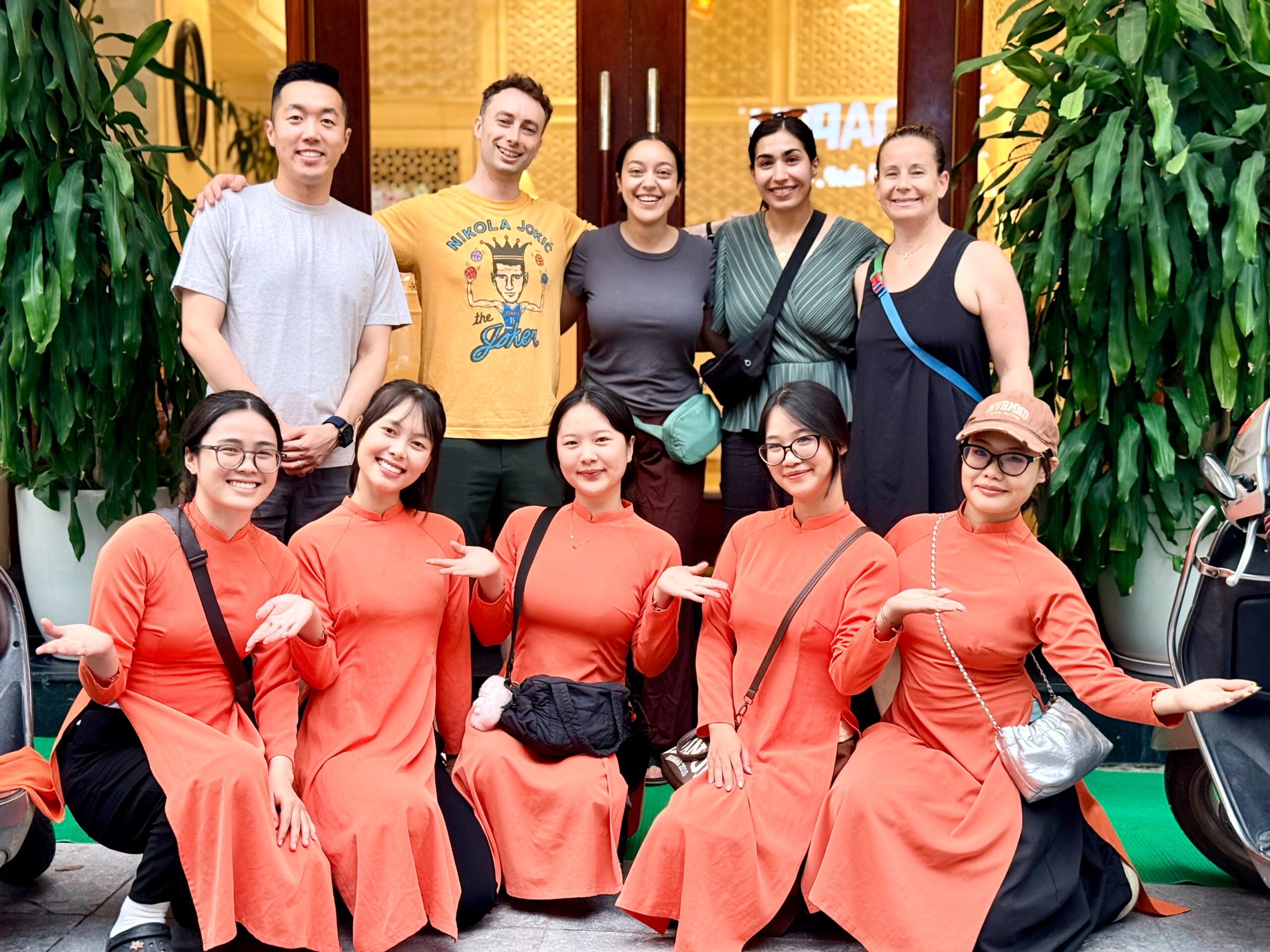
Vietnam Trip Planning Guide for Independent Travelers
Traveling independently in Vietnam is easier than many first-time visitors expect. You do not need to join a large group tour to see the country’s best destinations, eat well, travel between cities or discover places away from the main tourist streets. With a little planning, independent travelers can build a Vietnam itinerary around their own interests, budget, travel pace and preferred style.
The biggest advantage of independent travel is freedom. You can spend three days in Hanoi instead of two, stay longer in Hoi An when you love the atmosphere, change your plans because of weather, take a train simply because the route is beautiful, or spend an entire afternoon looking for the best bowl of noodles in a neighborhood market. The challenge is knowing what should be planned in advance and what is better left flexible.
Vietnam is a particularly good destination for independent travelers because the country offers many transportation choices, accommodation at different price levels, inexpensive food, excellent domestic flights and a huge range of activities. At the same time, distances between destinations can be longer than they appear on a map, weather varies between regions and some experiences require advance reservations.
This Vietnam Trip Planning Guide for Independent Travelers explains how to choose your route, plan your budget, book hotels and transportation, move between cities, stay connected, eat safely, manage money, avoid common mistakes and design a trip that feels independent without becoming unnecessarily complicated.
Vietnam Independent Travel at a Glance
| Topic | Best Approach |
|---|---|
| Ideal first trip | 10–14 days |
| Short trip | 7 days focused on one or two regions |
| Long trip | 21 days or more |
| Best starting point | Hanoi or Ho Chi Minh City |
| Best transport for long distances | Domestic flights |
| Best scenic transport | Train or private car |
| Best budget transport | Sleeper bus |
| Best local experience | Walking, Vespa, motorbike, bicycle |
| Best island destination | Phu Quoc |
| Best mountain destination | Ha Giang |
| Best historic destination | Hue |
| Best old town | Hoi An |
| Best city for food | Hanoi or Ho Chi Minh City |
| Best river experience | Mekong Delta |
| Recommended booking style | Book the essentials, keep the rest flexible |
1. Decide What Kind of Independent Traveler You Are
Independent travel does not mean the same thing to everyone.
Some travelers want complete freedom and book everything themselves. Others prefer to book flights and hotels independently but use local guides for certain activities. Some want to travel cheaply, while others want boutique hotels and private transportation.
Before planning your itinerary, decide whether you are:
Budget independent traveler
Mid-range independent traveler
Luxury independent traveler
Slow traveler
Adventure traveler
Food traveler
Beach traveler
Photography traveler
Family traveler
This decision will influence almost every other choice.
2. Decide How Many Days You Have
Your available time determines how ambitious your itinerary should be.
7 Days
Focus on one region or create a very fast introduction to several cities.
10 Days
Enough for a well-organized first-time route.
14 Days
The best balance for many independent travelers.
21 Days
Excellent for slower travel and deeper exploration.
30 Days or More
Ideal for travelers who want mountains, beaches, countryside and smaller destinations without rushing.
3. Do Not Try to See All of Vietnam in One Week
Vietnam is long.
A map can make Hanoi, Hoi An and Ho Chi Minh City look relatively close compared with the size of your home country, but each transfer involves airports, roads, check-in, luggage and time.
With seven days, choose:
Northern Vietnam
or
Central Vietnam
or
Southern Vietnam
rather than trying to see everything.
4. Choose Your Main Region
Vietnam can be divided into three broad travel zones.
Northern Vietnam
Best for:
Hanoi
Ha Long Bay
Ninh Binh
Sapa
Ha Giang
Mountain landscapes
Culture and history
Central Vietnam
Best for:
Hue
Da Nang
Hoi An
Beaches
Imperial history
Food
Hai Van Pass
Southern Vietnam
Best for:
Ho Chi Minh City
Mekong Delta
Phu Quoc
Con Dao
Mui Ne
Tropical landscapes
5. Build Your Route Around Geography
A simple rule is:
North to Central to South
or:
South to Central to North
Avoid unnecessary backtracking.
A strong nationwide route could be:
Hanoi → Ha Long Bay → Hoi An → Hue → Ho Chi Minh City → Mekong Delta
A Southern route could be:
Ho Chi Minh City → Ben Tre → Can Tho → Phu Quoc
Geographical logic saves time and money.
6. Consider an Open-Jaw International Flight
Independent travelers can often save a significant amount of time by flying into one Vietnamese city and home from another.
For example:
Home → Hanoi
Travel south
Ho Chi Minh City → Home
This is usually better than returning to Hanoi just to catch your international flight.
7. Check Visa Requirements Before Booking Everything
Before making major non-refundable reservations, determine whether your passport requires a visa.
Some nationalities qualify for visa-free entry for eligible periods, while many travelers can apply for a Vietnam e-visa.
Make sure:
Passport information is correct
Entry date is correct
Entry point is correct
Visa validity covers the trip
Never assume that visa rules are the same for every nationality.
8. Check Your Passport
Your passport should meet the current entry requirements and have adequate validity for your journey.
Make a digital copy.
Keep one copy in cloud storage and another offline.
9. Book International Flights First
Your international flights establish the framework for the entire trip.
Once booked, you can arrange:
Hotels
Domestic flights
Cruises
Tours
Airport transfers
For independent travel, booking flights early also helps you understand whether an open-jaw itinerary is practical.
10. Decide Whether to Book Domestic Flights
Domestic flights are one of the biggest advantages for independent travelers in Vietnam.
Instead of spending an entire day traveling overland, you can move quickly between major regions.
Useful routes include:
Hanoi → Da Nang
Da Nang → Ho Chi Minh City
Hanoi → Ho Chi Minh City
Ho Chi Minh City → Phu Quoc
For trips of 7–14 days, flights are usually worth considering.
11. Use Trains Selectively
Independent travelers often enjoy trains because the journey itself becomes part of the experience.
The best train journeys are usually selected based on scenery rather than simply distance.
A particularly attractive route is:
Hue → Da Nang
because of the coastal landscape around Hai Van Pass.
12. Use Sleeper Buses When They Make Sense
Sleeper buses can save money and sometimes save a hotel night.
They are useful for routes such as:
Hanoi → Sapa
Da Nang → Hoi An
Hoi An → Hue
Ho Chi Minh City → Mui Ne
Ho Chi Minh City → Da Lat
Comfort varies significantly between operators, so research the exact bus rather than booking based only on price.
13. Consider Private Cars for Scenic Routes
Independent travel does not mean you must use public transportation for everything.
A private car can be the best choice for:
Hue → Da Nang
Da Nang → Hoi An
Hanoi → Ninh Binh
Hanoi → Ha Long Bay
Ho Chi Minh City → Mekong Delta
The advantage is flexibility.
You can stop for photos, lunch, coffee and attractions without changing vehicles.
14. Choose Transportation Based on Time
A practical rule:
Long distance = flight
Scenic route = train or private car
Budget route = sleeper bus
Local exploration = walking, bicycle, Vespa or motorbike
Mekong Delta = car + boat
Island = flight or ferry
This simple system works extremely well for independent travelers.
15. Book Your First Hotel
Always have your first night’s accommodation confirmed before arriving.
Save:
Hotel name
Address
Phone number
Booking confirmation
Check-in time
This is especially important if you arrive late at night.
16. Choose Hotel Location Carefully
A cheap hotel can become expensive if you spend an hour every day traveling to restaurants and attractions.
For first-time visitors:
Hanoi: Hoan Kiem / Old Quarter
Hoi An: Ancient Town or nearby
Hue: Central city
Ho Chi Minh City: District 1 or nearby
Phu Quoc: choose based on beach and activity plans
Location often matters more than room size.
17. Use Different Accommodation Styles
Independent travel gives you freedom to mix accommodation types.
You might stay in:
Boutique hotel in Hanoi
Homestay in Ninh Binh
Cruise cabin in Ha Long Bay
Beach hotel in Hoi An
Luxury hotel in Ho Chi Minh City
Riverside lodge in the Mekong Delta
Resort in Phu Quoc
The trip feels richer when every destination is not identical.
18. Don’t Book Every Night Too Far in Advance
For a flexible trip, you can leave some accommodation open once the core itinerary is established.
This is particularly useful for:
Long trips
Shoulder season
Independent travelers
Travelers who like spontaneity
However, popular destinations during peak periods still benefit from advance reservations.
19. Book the Things That Can Sell Out
Independent does not mean last-minute for everything.
Book ahead for:
International flights
Domestic flights
Ha Long Bay cruises
Peak-season hotels
Luxury resorts
Popular private tours
Special events
Leave ordinary meals and local activities flexible.
20. Plan Your Budget Before Booking
Build your budget around:
Accommodation
Food
Transportation
Activities
Visa
Travel insurance
Shopping
Emergency funds
Keep domestic flights and cruises separate from your normal daily spending because they can distort the average.
21. Decide Your Daily Budget
A useful planning range is:
Budget: USD 25–50
Mid-range: USD 60–120
Comfortable: USD 120–200
Luxury: USD 200–400+
Actual spending varies by destination and travel style.
22. Don’t Forget Transportation in Your Daily Budget
Travelers sometimes budget only for hotels and food.
But transportation can include:
Airport transfers
Domestic flights
Taxis
Ride-hailing
Train
Bus
Private cars
Add these costs separately.
23. Use Local Food to Control Costs
Independent travelers can eat extremely well without spending much.
A typical day could include:
Pho for breakfast
Com tam for lunch
Street snacks
Vietnamese coffee
Local dinner
You can then choose one premium meal when you want to splurge.
24. Eat Where Local Customers Eat
Look for restaurants with:
High customer turnover
Freshly cooked food
Visible preparation
Local customers
Simple menus
Avoid assuming that the most expensive restaurant is the best.
25. Learn Regional Vietnamese Food
One of the great advantages of independent travel is being able to build your own food itinerary.
Hanoi
Pho
Bun cha
Banh cuon
Cha ca
Egg coffee
Hue
Bun bo Hue
Banh beo
Banh nam
Banh loc
Hoi An
Cao lau
Mi Quang
White rose dumplings
Ho Chi Minh City
Com tam
Hu tieu
Banh xeo
Oc
Phu Quoc
Bun quay
Seafood
Raw herring salad
26. Take a Food Tour Early in Your Trip
Independent travelers often benefit from one guided food tour at the beginning.
After that, you can continue exploring independently with a better understanding of local dishes and neighborhoods.
A motorbike or Vespa food tour is particularly useful in large cities.
27. Explore Hanoi Independently
Hanoi is one of the easiest cities to explore without a tour.
You can walk around:
Hoan Kiem Lake
Old Quarter
French Quarter
Dong Xuan Market
West Lake
Train Street area
Use walking as the foundation and add taxis, ride-hailing or guided transport for longer distances.
28. Explore Ho Chi Minh City Independently
Ho Chi Minh City is also highly accessible to independent travelers.
You can explore:
District 1
District 3
Cholon
Ben Thanh area
Nguyen Hue
Saigon River
For food, use local recommendations and explore different districts rather than staying entirely around major tourist streets.
29. Explore Hoi An Independently
Hoi An’s Ancient Town is highly walkable.
Spend time:
Morning: coffee and market
Afternoon: countryside or beach
Evening: Ancient Town and riverside
A bicycle is particularly useful outside the historic center.
30. Explore Hue Independently
Hue is easy to explore independently if you organize the sites geographically.
The Imperial City can fill a large part of one day.
Royal tombs are farther outside the center, so use:
Private car
Taxi
Guided transport
rather than relying entirely on walking.
31. Explore Da Nang Independently
Da Nang combines city, beach and mountain attractions.
Easy independent activities include:
My Khe Beach
Han River
Local markets
Cafés
For Son Tra and Marble Mountains, use ride-hailing, taxi or private transport.
32. Explore the Mekong Delta Independently
Independent travel in the Delta is possible but more complicated than city travel.
Road and water transportation are interconnected.
A practical strategy is to choose one base such as:
Ben Tre
or
Can Tho
then organize local boat and countryside activities from there.
33. Stay Overnight in the Mekong Delta
A day trip from Ho Chi Minh City is convenient, but an overnight stay gives you more time.
You can experience:
Early mornings
Village roads
Fruit gardens
Boat trips
Local dinners
Quieter canals
The Delta becomes more rewarding when you stop rushing.
34. See Cai Rang Floating Market
If Cai Rang is important to you, stay overnight in Can Tho.
The market is primarily an early-morning experience.
Wake up before sunrise, take a boat and return for breakfast after exploring the river.
35. Explore Phu Quoc Independently
Phu Quoc is easy to explore independently if you stay in the right area.
Choose accommodation according to your priorities:
Long Beach: convenience
Ong Lang: quieter
Ganh Dau: nature
An Thoi: island excursions
A rented motorbike can be useful for experienced riders, while private cars are better for families.
36. Book a Private Boat in Phu Quoc
You can organize shared island-hopping independently, but a private boat gives you greater flexibility.
You can discuss:
Departure time
Island stops
Snorkeling
Fishing
Lunch
Sunset
Book ahead during peak periods.
37. Independent Travel in Northern Mountains
Northern mountain destinations require more preparation.
For Ha Giang, road conditions, weather and distance make professional local support valuable.
For Sapa, independent travel is simpler, but local trekking guides can improve the experience significantly.
38. Consider a Local Guide for Difficult Destinations
Independent travel does not mean refusing local help.
The best approach is often:
Independent in cities
Local guide for mountain regions
Private boat in the Mekong
Driver for scenic road trips
This gives you freedom without unnecessary logistical problems.
39. Ride a Motorbike Carefully
Independent riders should only ride when properly licensed, experienced and comfortable with Vietnamese road conditions.
For many visitors, the better option is to ride as a passenger with a professional local driver.
This allows you to enjoy the scenery and food stops without managing traffic.
40. Try a Vespa Tour
A Vespa tour can be an excellent compromise between independent travel and guided travel.
You retain the local perspective and flexibility while avoiding the stress of navigating busy streets yourself.
This is particularly good in:
Hanoi
Ho Chi Minh City
Hoi An
41. Try a Jeep Tour
Private Jeep travel is useful for countryside and coastal routes.
Good destinations include:
Hoi An
Mekong Delta
Phu Quoc
Mui Ne
It is especially attractive for private groups.
42. Walk Whenever Practical
Walking is often the best form of transportation in city centers.
In Hanoi’s Old Quarter and Hoi An Ancient Town, walking allows you to notice:
Street food
Small shops
Architecture
Coffee shops
Markets
Local life
43. Use Ride-Hailing Apps
Ride-hailing is one of the most useful tools for independent travelers.
It is especially convenient when:
You know the destination address
You have mobile data
You need a short city transfer
Check the vehicle license plate before entering.
44. Get a SIM or eSIM
Mobile data makes independent travel dramatically easier.
You need it for:
Maps
Translation
Ride-hailing
Messaging
Banking
Flight updates
Installing an eSIM before departure is particularly convenient.
45. Download Offline Maps
Save:
Hotels
Airports
Train stations
Bus stations
Major attractions
Restaurants
This helps when signal is weak or unavailable.
46. Save Vietnamese Addresses
Keep important addresses in Vietnamese when possible.
This can help taxi drivers and local businesses understand exactly where you need to go.
47. Understand Vietnamese Currency
Vietnamese dong uses large denominations, so take some time to recognize common notes.
Useful denominations include:
20,000 VND
50,000 VND
100,000 VND
200,000 VND
500,000 VND
Count your change before leaving shops and markets.
48. Carry Both Cash and Cards
Use cards for:
Hotels
Modern restaurants
Large businesses
Use cash for:
Markets
Street food
Small cafés
Rural areas
Keep a backup card separately.
49. Don’t Carry All Your Cash at Once
Keep only the amount you need for the day.
Store emergency funds separately.
This limits your exposure if your wallet is lost.
50. Check Your Bank Before Departure
Make sure your cards work internationally.
Know:
International fees
ATM fees
Daily withdrawal limits
Emergency card number
Keep one backup payment method.
51. Stay in Areas Convenient for Independent Travel
Good locations reduce the amount of planning required.
Central accommodation lets you walk to restaurants and attractions rather than arranging transportation for every activity.
This is especially useful when traveling alone.
52. Plan Your Day Around Neighborhoods
Instead of crossing the whole city repeatedly, explore one area at a time.
For Hanoi:
Old Quarter day
French Quarter day
West Lake day
For Ho Chi Minh City:
District 1 day
District 3 day
Cholon day
This makes independent sightseeing much more efficient.
53. Start Your Day Early
Early mornings are excellent in Vietnam.
You can avoid:
Heat
Crowds
Traffic
and see cities when they are most active.
Early mornings are particularly worthwhile at:
Markets
Temples
Old towns
Mekong floating markets
54. Plan a Midday Break
Vietnam can be hot and humid.
A good independent itinerary often looks like:
Morning sightseeing
Long lunch
Hotel break
Afternoon exploration
Evening food
This is more sustainable than sightseeing continuously from 8 AM to 8 PM.
55. Don’t Overplan Every Day
Leave at least a few open blocks during a longer trip.
An independent traveler should have the freedom to:
Sleep later
Stay longer
Try another restaurant
Shop
Change activities
Rest
56. Build a Backup Plan for Rain
Vietnam has seasonal rain in different regions.
Have alternatives such as:
Museums
Cooking classes
Coffee tours
Food tours
Shopping
Spa
Indoor cultural experiences
A rainy afternoon does not have to ruin your itinerary.
57. Check Weather Before Boat Trips
Marine activities are particularly dependent on weather.
Check sea conditions before:
Phu Quoc island-hopping
Ha Long Bay cruises
Fishing trips
Diving
Snorkeling
Keep flexible days when possible.
58. Plan for Traffic
Google Maps travel times can underestimate the impact of traffic.
Leave extra time for:
Airport transfers
City crossings
Peak hours
Rain
Weekend traffic
Especially in Hanoi and Ho Chi Minh City.
59. Be Flexible With Transportation
A train might be perfect one day and inconvenient the next.
If weather affects roads, consider flying.
If a train schedule doesn’t work, consider a private car.
Independent travel is strongest when you have alternatives.
60. Choose Travel Insurance Carefully
Travel insurance is particularly important for independent travelers because you are managing more of the logistics yourself.
Check whether your policy covers:
Medical treatment
Trip interruption
Baggage
Motorbike activities
Trekking
Diving
Emergency evacuation
61. Pack Light
Independent travel becomes much easier with one manageable suitcase or backpack.
You will be:
Changing hotels
Using trains
Boarding flights
Getting into cars
Taking boats
Light luggage saves effort.
62. Pack for Multiple Climates
If traveling across Vietnam, you may encounter very different conditions.
North can be cool.
Central Vietnam can be hot or wet.
South is generally warm.
Pack layers rather than one extreme wardrobe.
63. Bring Rain Protection
A lightweight rain jacket and waterproof phone protection are useful year-round.
You don’t need to carry heavy rain equipment unless your itinerary is centered around trekking.
64. Bring Comfortable Walking Shoes
Independent city exploration can involve many kilometers each day.
Prioritize:
Comfort
Grip
Breathability
Fashion comes second.
65. Pack Temple-Appropriate Clothing
Bring at least one modest outfit for religious sites.
A scarf or light shirt can make it easier to adapt your clothing.
66. Pack a Reusable Water Bottle
A reusable bottle helps reduce plastic waste.
Refill only from a safe drinking source.
67. Prepare a Small Day Bag
Your daily bag should contain:
Water
Phone
Power bank
Wallet
Sunscreen
Rain protection
Medication
Tissues
This is more practical than carrying your entire luggage.
68. Learn a Few Vietnamese Phrases
A few simple phrases are useful:
Xin chào – Hello
Cảm ơn – Thank you
Bao nhiêu? – How much?
Ngon – Delicious
Không – No
Giúp tôi – Help me
You don’t need fluency to travel independently.
69. Eat Street Food With Common Sense
Street food is one of the best reasons to travel in Vietnam.
Choose stalls with:
High turnover
Hot food
Fresh ingredients
Local customers
Avoid food that appears to have been sitting at unsafe temperatures for long periods.
70. Handle Dietary Restrictions Clearly
If you have allergies or dietary restrictions, learn the Vietnamese terms for the foods you must avoid.
Fish sauce, shrimp paste, peanuts and seafood appear in many dishes.
Do not assume a dish is vegetarian simply because there is no visible meat.
71. Understand Tipping
Tipping is not mandatory in every situation.
However, travelers may choose to tip private guides, drivers, spa staff and exceptional service providers.
The amount should depend on service quality and the type of experience.
72. Shop Independently
Vietnam is excellent for:
Coffee
Tea
Silk
Pepper
Handicrafts
Lacquerware
Tailored clothing
Local snacks
Compare prices before making larger purchases.
73. Allow Time for Hoi An Tailoring
If you want custom clothing, visit early in your Hoi An stay.
You may need:
Measurements
First fitting
Adjustment
Final fitting
Never schedule the entire process on the final day.
74. Travel With a Flexible Mindset
Not every recommendation you receive will be perfect.
You don’t need to visit every attraction.
Independent travel means choosing what actually interests you.
75. Don’t Feel You Need to See Every Famous Place
A common mistake is assuming:
“It’s famous, so I must go.”
You don’t.
If you love food, prioritize food.
If you love mountains, spend more time in the north.
If you love beaches, spend more time on the coast.
Your itinerary should reflect you.
76. Use Local Recommendations
Ask your:
Hotel receptionist
Guide
Driver
Restaurant owner
for recommendations.
Locals can point you toward:
Neighborhood restaurants
Markets
Cafés
Less crowded viewpoints
Seasonal activities
77. Book a Local Experience When Needed
A good independent traveler knows when to hire help.
Examples:
Ha Giang: local guide or driver
Mekong: private boat
Food tour: local guide
Hai Van Pass: private driver
Phu Quoc: private boat
This is smarter than insisting on complete self-sufficiency.
78. Compare Group Tours and Private Tours
A group tour can be cheaper.
A private tour offers:
Flexible schedule
Custom route
No waiting for strangers
Private transportation
Personalized food choices
Independent travelers often use both styles depending on the destination.
79. Don’t Assume Private Means Luxury
Private travel can simply mean:
You choose the departure time
You choose the route
You choose where to stop
You don’t need five-star hotels to enjoy a private itinerary.
80. Use Public Transportation When It Is Easy
You don’t need a private car for everything.
Use public transport when:
The route is simple
The station is convenient
You have limited luggage
You have enough time
Independent travel is about choosing the right tool.
81. Understand Taxi Safety
Use established taxi companies or reputable ride-hailing services.
Avoid unlicensed drivers who approach you directly at tourist attractions.
Confirm the destination before departure.
82. Be Careful With Your Phone in Traffic
Phone theft can be a risk in crowded cities.
Avoid holding your phone close to the roadside while standing still.
Step away from moving traffic when using maps.
83. Be Careful With Bags
Keep your backpack and valuables secure in crowded areas.
Use a crossbody bag or a bag worn securely in front when appropriate.
84. Be Comfortable Saying No
You may occasionally encounter aggressive sales or transportation offers.
A polite but firm:
“No, thank you.”
is enough.
You don’t have to accept every service offered to you.
85. Keep Your Passport Secure
Carry your passport when required but avoid handling it unnecessarily in crowded areas.
Keep digital and paper copies separately.
86. Plan Your Arrival Day
A good independent arrival day is intentionally boring.
After a long flight:
Airport
→ Hotel
→ Lunch
→ Short walk
→ Dinner
→ Sleep
You can start exploring seriously the following day.
87. Plan Your Departure Day
Don’t schedule a major excursion on the day of your international flight.
Stay close enough to your departure airport.
Allow a generous transportation buffer.
88. Choose Your First Destination Carefully
For many first-time independent travelers, Hanoi is an excellent starting point.
It offers:
Walkable historic areas
Street food
Cafés
Museums
Day trips
Easy onward transport
Ho Chi Minh City is also an excellent starting point, particularly for Southern Vietnam.
89. Best Independent Route for 7 Days
A strong seven-day route is:
Days 1–3: Hanoi
Day 4: Ninh Binh or Ha Long Bay
Days 5–7: Hoi An
or:
Days 1–3: Ho Chi Minh City
Days 4–5: Mekong Delta
Days 6–7: Phu Quoc
Choose based on your interests and flight connections.
90. Best Independent Route for 10 Days
A practical first itinerary:
Days 1–3: Hanoi
Day 4: Ha Long Bay
Days 5–7: Hoi An
Days 8–10: Ho Chi Minh City
This gives you a broad introduction without excessive hotel changes.
91. Best Independent Route for 14 Days
A balanced route:
Days 1–3: Hanoi
Day 4: Ha Long Bay
Days 5–7: Hoi An
Day 8: Hue
Days 9–11: Ho Chi Minh City
Days 12–13: Mekong Delta
Day 14: Departure
92. Best Independent Route for 21 Days
A more comprehensive route:
Days 1–3: Hanoi
Days 4–5: Ninh Binh
Days 6–8: Ha Giang
Day 9: Hanoi
Day 10: Ha Long Bay
Days 11–13: Hoi An
Day 14: Hue
Days 15–17: Ho Chi Minh City
Days 18–19: Mekong Delta
Days 20–21: Phu Quoc
This is active but varied.
93. Independent Vietnam for Couples
Couples can enjoy a mix of self-guided sightseeing and private experiences.
Consider:
Boutique hotels
Private food tours
Scenic drives
Vespa tours
Sunset cruises
Beach resorts
Leave one or two afternoons free.
94. Independent Vietnam for Families
Families should reduce transportation complexity.
A strong route is:
Hanoi
→ Hoi An
→ Ho Chi Minh City
→ Phu Quoc
Private transfers can make the trip considerably smoother.
95. Independent Vietnam for Solo Travelers
Solo travelers can benefit from:
Hostels or boutique hotels
Walking tours
Food tours
Shared activities
Local cafés
Public transportation
Combine independent sightseeing with occasional guided experiences.
96. Independent Vietnam for Seniors
Seniors should prioritize:
Central hotels
Private transfers
Comfortable vehicles
Longer stays
Fewer hotel changes
Vietnam is much more enjoyable when the itinerary has breathing room.
97. Independent Vietnam for Food Travelers
Food-focused travelers can easily design their own culinary route.
Spend more time in:
Hanoi
Hue
Hoi An
Ho Chi Minh City
Phu Quoc
Join one food tour in each major region and explore independently afterward.
98. Independent Vietnam for Adventure Travelers
Adventure travelers should look toward:
Ha Giang
Sapa
Phong Nha
Hai Van Pass
Mekong cycling
Phu Quoc snorkeling
Don’t take unnecessary risks simply to remain completely independent.
99. Independent Vietnam for Beach Lovers
A good route can combine:
Da Nang
Hoi An
Phu Quoc
Avoid changing islands too often.
Three or four nights in one beach destination is usually better than one night in several.
100. Independent Vietnam for Luxury Travelers
Luxury independent travelers should focus on:
Location
Time savings
Private transportation
Flexible tours
Premium hotels
Luxury is not about scheduling every moment.
It’s about removing unnecessary friction.
101. Final Independent Traveler Checklist
Before departure, confirm:
- Passport
- Visa or visa-free eligibility
- International flights
- Domestic flights
- Main hotels
- First airport transfer
- Travel insurance
- Mobile data
- Bank cards
- Emergency cash
- Main tours
- Cruise if applicable
- Train tickets if needed
- Offline maps
- Important addresses
- Medication
- Weather
- Luggage
- Copies of documents
What Independent Travelers Should Not Do
Avoid these common mistakes:
Trying to visit the whole country in one week
Booking every hotel far in advance without understanding the route
Choosing transportation only by price
Ignoring weather
Renting a motorbike without enough experience
Carrying too much luggage
Planning every hour
Skipping travel insurance
Assuming all cities have the same climate
Ignoring regional food
The Best Independent Travel Formula
A very effective Vietnam travel formula is:
Plan the route carefully.
Book the essential transportation.
Choose well-located hotels.
Use local experiences selectively.
Eat independently.
Leave flexible time.
Adjust according to weather.
This gives you the freedom of independent travel without the stress of figuring out everything from scratch.
Final Thoughts
The Vietnam Trip Planning Guide for Independent Travelers comes down to one central idea: you do not need to choose between complete independence and organized travel.
The best independent trips use a combination of both.
Book your international flights, visa if necessary, key hotels, domestic flights and any experiences that could sell out. Then leave room for spontaneous meals, café discoveries, local markets, extra afternoons and unexpected recommendations.
Use flights for long distances, trains and private cars for scenic routes, sleeper buses when budget matters, and walking, bicycle, Vespa or motorbike experiences when you want to explore at street level.
Spend enough time in each destination to understand it. Hanoi deserves more than one rushed afternoon. Hoi An is better when you stay into the evening. The Mekong Delta becomes much more interesting when you stay overnight. Phu Quoc is better when you combine beach time with seafood, villages and island activities.
Independent travel also means knowing when to ask for help.
A local driver can make a mountain journey safer.
A private boat can make a Mekong itinerary easier.
A local food guide can introduce you to dishes you would never find alone.
A women-led Vespa tour can show you a city in a completely different way.
You remain an independent traveler because you choose when and how to use those services.
A good independent Vietnam trip should not feel like a rigid package tour.
It should feel like your trip, supported by the right local knowledge when you need it.
For most first-time travelers, a simple approach works best:
7 days: choose one or two regions.
10 days: combine the major highlights.
14 days: create a balanced nationwide itinerary.
21 days: slow down and explore more deeply.
And above all, don’t measure success by how many places you check off a map.
Measure it by how much time you have to eat, walk, talk, look around and enjoy where you are.
Plan the important parts. Travel independently. Use local expertise when it adds value. Leave room for discovery.
That is one of the best ways to experience Vietnam.
Explore Vietnam Independently With Vietnam Women Travel
For travelers who want the freedom of independent travel while still having access to private and small-group experiences led by women, Vietnam Women Travel can provide flexible services that fit around your own itinerary.
You can organize your own flights and hotels, then add selected experiences such as:
Hanoi food tours led by women
Hanoi Vespa tours led by women
Hoi An Vespa tours led by women
Hai Van Pass private tours
Hue and Da Nang private tours
Ho Chi Minh City motorbike and food tours
Mekong Delta private tours
Phu Quoc private island tours
Vietnam Jeep tours
Private airport transfers
This approach allows you to remain an independent traveler while using local women guides, drivers and private transportation for the parts of Vietnam where local knowledge makes the biggest difference.
The tours are suitable for couples, families, solo travelers and private groups, rather than being limited to women-only travel.
Contact Vietnam Women Travel
VIETNAM WOMEN TRAVEL
Address: 91 Tho Nhuom Street, Hoan Kiem District, Hanoi, Vietnam
Phone / WhatsApp 24/7: +84 982 416 518
Second Contact: +84 981 090 989
Website: vietnamwomentravel.com
Vietnam Private Tours Led By Women
Vietnam Independent Travel Services
Hanoi Tours Led By Women
Hanoi Food Tours Led By Women
Hanoi Vespa Tours Led By Women
Northern Vietnam Private Tours
Central Vietnam Tours Led By Women
Hoi An Tours Led By Women
Ho Chi Minh City Tours Led By Women
Mekong Delta Private Tours
Phu Quoc Private Tours
Vietnam Jeep Tours Led By Women
Vietnam Motorbike Tours Led By Women
Private Airport Transfers
Private & Small-Group Vietnam Experiences
Travel independently, choose your own pace and add local women-led experiences whenever you want deeper insight, easier transportation or a more memorable way to discover Vietnam.