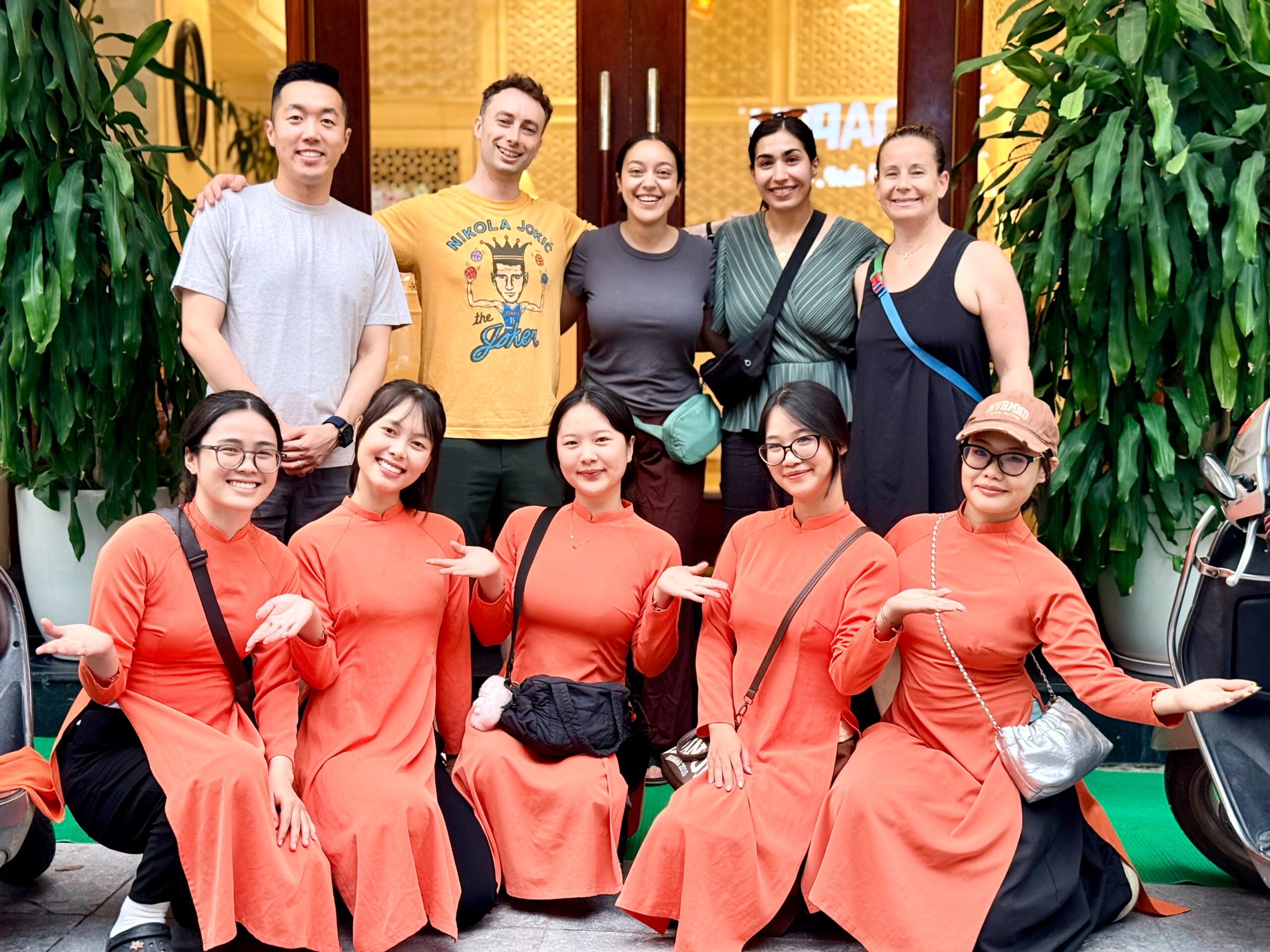
Vietnam Travel Budget: Daily Costs for Hotels, Food & Transport
Planning a Vietnam travel budget is relatively straightforward because the country offers excellent choices at almost every price level. In 2026, travelers can still explore Vietnam on a modest daily budget, but costs vary significantly depending on accommodation, destination, transportation and travel style. A backpacker eating local food and using public transportation can travel very economically, while a traveler choosing boutique hotels, private cars, premium cruises and private guides can comfortably spend several hundred dollars per day.
For most international visitors, a realistic mid-range Vietnam travel budget is around USD 60–120 per person per day, excluding international flights. Travelers staying in budget accommodation can often spend around USD 25–50 per day, while comfortable and luxury travelers may spend USD 150–300+ per person per day depending heavily on hotels and private experiences. Current 2026 market estimates broadly place budget travel around USD 20–50 per day and mid-range travel around USD 50–150, with luxury travel rising significantly once premium accommodation and private services are included.
The good news is that Vietnam’s biggest advantages remain relatively accessible: local food, cafés, markets and everyday transportation are inexpensive compared with many international destinations. The categories that can quickly increase your budget are luxury hotels, domestic flights, private transportation, cruises and high-end resorts.
Vietnam Travel Budget at a Glance
| Travel Style | Approx. Daily Budget | Typical Experience |
|---|---|---|
| Budget | USD 25–50 | Hostel/guesthouse, local food, basic transport |
| Mid-Range | USD 60–120 | 3–4 star hotel, restaurants, taxis, activities |
| Comfortable | USD 120–200 | Boutique hotel, more private transport, tours |
| Luxury | USD 200–400+ | 5-star hotels, private guides, private cars |
| Luxury Resort / Premium | USD 400+ | Luxury resort, private tours, premium cruises |
These are practical planning ranges rather than fixed prices. Hanoi, Hue and smaller cities can be cheaper, while Phu Quoc, Hoi An, Da Nang, Ha Long Bay and peak-season resort areas can cost considerably more.
How Much Does It Cost to Travel Vietnam for One Day?
A budget traveler can often manage Vietnam on approximately USD 25–50 per day by staying in hostels or simple guesthouses, eating mainly local food and using inexpensive transportation.
A mid-range traveler should consider around USD 60–120 per day. This usually provides a private hotel room, a mixture of local and international meals, ride-hailing, taxis and occasional paid activities.
For a more comfortable trip with boutique hotels, private transfers and organized experiences, USD 120–200 per day is a useful planning range.
Luxury travel is much more variable. Once you include five-star hotels, private cars, private guides, fine dining and premium cruises, USD 200–400+ per day is entirely possible.
Vietnam Travel Budget for Backpackers
Backpackers can keep costs surprisingly low.
A typical day might look like this: a dorm bed for USD 6–12, local breakfast for USD 1–3, street-food lunch for USD 2–4, local dinner for USD 3–6, coffee and snacks for USD 2–3, and inexpensive transportation for USD 3–6.
That puts many basic travel days around USD 20–35, although tours, nightlife and long-distance transportation will push the total higher.
Budget travel works especially well in Hanoi, Hue, Ho Chi Minh City and the Mekong Delta. Resort areas such as Phu Quoc can be more expensive.
Vietnam Travel Budget for Mid-Range Travelers
For most travelers, mid-range travel provides the best balance between comfort and cost.
A realistic daily budget is around USD 60–120 per person, depending on the destination and whether long-distance transportation is included.
You can expect a private hotel room, air conditioning, good local restaurants, cafés, taxis or ride-hailing, museum visits and one activity or tour on some days.
A couple traveling together can often achieve better value because hotel rooms and private transportation costs can be shared.
Vietnam Travel Budget for Comfortable Travelers
A comfortable traveler might spend USD 120–200 per day.
This can include a boutique or upscale hotel, private airport transfers, better restaurants, occasional private tours, comfortable domestic flights and private transportation for day trips.
This travel style works particularly well for travelers who want convenience without paying for full luxury.
Vietnam Travel Budget for Luxury Travelers
Luxury travel in Vietnam can range from comfortable five-star travel to very high-end private itineraries.
A typical luxury traveler may spend USD 200–400+ per day, while premium resort stays, private yachts, luxury cruises and high-end suites can push costs considerably higher.
Luxury is particularly attractive in:
Hanoi
Ha Long Bay
Hoi An
Da Nang
Phu Quoc
Ho Chi Minh City
A private guide and driver can also make a major difference without requiring ultra-luxury hotels.
Hotel Costs in Vietnam
Accommodation is often the largest daily expense.
Prices depend on:
Destination
Season
Location
Hotel category
Room type
Booking timing
Weekend vs weekday
A basic hostel dorm may cost around USD 6–15 per night.
A clean budget hotel or private guesthouse may cost approximately USD 20–45.
A comfortable 3–4 star hotel often falls around USD 40–90.
Boutique and upscale hotels can range from USD 70–180+.
Five-star hotels and resorts commonly start around USD 120–250, while premium resorts can easily exceed USD 300–500 per night.
Hanoi Hotel Prices
Hanoi provides excellent value in many parts of the city.
Budget travelers can find simple rooms around USD 20–35.
Comfortable hotels in central areas often range from USD 40–90.
Boutique and luxury hotels can move from USD 100 to USD 250+ depending on season and location.
The Old Quarter and Hoan Kiem are particularly convenient, but hotels immediately beside major attractions can command a premium.
Hoi An Hotel Prices
Hoi An offers everything from inexpensive homestays to luxury resorts.
Budget rooms can start around USD 20–40.
Comfortable boutique hotels often fall around USD 50–100.
Beach resorts and luxury properties can easily reach USD 150–400+.
Staying slightly outside the Ancient Town can provide better value while remaining close enough for cycling or short transfers.
Hue Hotel Prices
Hue is often one of the better-value destinations for accommodation.
Budget rooms can be found for around USD 15–30.
Comfortable 3–4 star hotels commonly cost USD 30–70.
Higher-end riverside and luxury properties may range from USD 80–200+.
Da Nang Hotel Prices
Da Nang offers a very wide price range.
Basic hotels can start around USD 20–35.
Good beach-area hotels commonly cost around USD 40–100.
Upscale beachfront properties can reach USD 150–300+.
Prices tend to rise during beach-friendly periods and holiday dates.
Ho Chi Minh City Hotel Prices
District 1 usually costs more than many other areas.
Budget private rooms may cost USD 20–40.
Mid-range hotels often range from USD 40–90.
Boutique and luxury properties can range from USD 100–300+.
District 3 and other nearby areas can sometimes provide better value while remaining convenient.
Phu Quoc Hotel Prices
Phu Quoc has some of the largest price differences in Vietnam.
Budget accommodation can start around USD 20–40.
Mid-range hotels often cost USD 50–120.
Beachfront resorts can range from USD 120–300+.
Luxury resorts with villas or premium beachfront rooms can exceed USD 400–600 per night.
This makes Phu Quoc one of the places where accommodation choices can dramatically change your total Vietnam travel budget.
How Much Should You Spend on Food in Vietnam?
Food remains one of the most affordable parts of traveling in Vietnam.
A local breakfast can cost around USD 1–3.
Street-food meals often cost USD 1–4.
A good local restaurant meal may cost approximately USD 4–10 per person.
A tourist-oriented restaurant may cost around USD 8–20.
Fine dining can easily reach USD 30–100+ per person, depending on the restaurant and menu.
For most mid-range travelers, USD 15–30 per day for food is a comfortable starting point when mixing local restaurants with occasional nicer meals.
Breakfast Budget in Vietnam
Breakfast is usually inexpensive.
Typical options include:
Pho
Banh mi
Banh cuon
Xoi
Hu tieu
Com tam
A local breakfast usually costs around USD 1–3.
Hotel breakfasts are considerably more expensive but can be convenient.
Lunch Budget in Vietnam
A casual local lunch commonly costs around USD 2–6.
At a good sit-down restaurant, expect roughly USD 5–10 per person.
Seafood restaurants and tourist-oriented restaurants can cost substantially more.
Dinner Budget in Vietnam
Dinner offers the widest range of prices.
Street food may cost USD 2–5.
A local restaurant might be USD 5–10.
A nicer restaurant can be USD 10–25+.
Fine dining can easily go beyond USD 50 per person.
For a budget trip, dinner remains one of the easiest areas to control.
Vietnamese Coffee Budget
A traditional Vietnamese coffee generally costs around USD 0.50–2, depending on location and café style.
Local coffee shops are inexpensive.
Modern specialty cafés in central tourist districts can cost several times more.
Beer and Drinks
Local beer can be inexpensive, particularly in neighborhood restaurants and beer spots.
A local beer might cost approximately USD 1–3.
Imported beer and cocktails in upscale bars can quickly reach USD 4–10+.
Rooftop bars in Ho Chi Minh City and Hanoi are obviously more expensive than neighborhood cafés.
Street Food Budget
Street food is one of the best ways to save money without sacrificing quality.
Common street-food prices can be around:
Banh mi: USD 1–2
Pho: USD 1.50–3
Com tam: USD 2–4
Banh xeo: USD 2–5
Hu tieu: USD 2–4
Che: USD 1–3
Actual prices vary by city, ingredients and restaurant type.
Restaurant Budget
A local Vietnamese restaurant can provide a full meal for approximately USD 4–10 per person.
A tourist-oriented restaurant with English-language menus and a central location may cost USD 8–20.
International restaurants, especially in luxury neighborhoods, can be considerably higher.
How Much Does Transportation Cost in Vietnam?
Transportation is another category where Vietnam offers excellent value.
Local buses are inexpensive.
Ride-hailing is usually affordable for urban travel.
Taxis are reasonable for short journeys.
Domestic flights can be relatively inexpensive when booked early, although prices increase around holidays.
Private cars cost considerably more but provide convenience and flexibility.
Ride-Hailing Costs
Short urban ride-hailing trips may cost roughly USD 1–5.
Longer trips across major cities can cost more, particularly during traffic or heavy demand.
Ride-hailing is particularly useful in Hanoi, Da Nang and Ho Chi Minh City.
Taxi Costs
Taxi costs vary by company and distance.
For short city journeys, budget approximately USD 2–8.
Longer airport journeys can be more expensive.
Use established taxi companies or reliable ride-hailing services rather than accepting unsolicited drivers around tourist attractions.
Motorbike Taxi Costs
Motorbike taxis are often cheaper than cars and can move through traffic faster.
For short journeys, they may cost only a few dollars or less.
This is useful for solo travelers carrying limited luggage.
Public Bus Costs
Public buses are among the cheapest forms of urban transportation.
Fares are generally very low, although routes can be slower and more complicated for visitors unfamiliar with the city.
Public buses are most practical when time is not your biggest concern.
Domestic Flight Costs in Vietnam
Domestic flights vary considerably depending on:
Route
Airline
Booking date
Baggage
Travel season
A realistic planning range is approximately USD 25–100 one way for many routes, although peak holiday fares and late bookings can exceed this.
Common routes include:
Hanoi → Da Nang
Hanoi → Ho Chi Minh City
Da Nang → Ho Chi Minh City
Ho Chi Minh City → Phu Quoc
For a nationwide itinerary, domestic flights can save enormous amounts of time.
Train Costs in Vietnam
Train fares vary by seat type and route.
A long-distance sleeper can cost substantially more than a basic seat, but trains remain useful when you want to experience the journey.
For the classic North–South route, train travel is much slower than flying, so decide whether you are paying for transportation or for the travel experience itself.
Sleeper Bus Costs
Sleeper buses can be one of the cheapest ways to travel between cities.
Prices vary by route, but many intercity journeys fall around USD 10–30.
They can be useful for:
Hue
Hoi An
Da Nang
Nha Trang
Mui Ne
However, travelers who value sleep and comfort may prefer trains or flights.
Private Car Costs
Private car prices vary by distance, vehicle size and duration.
For a half-day or full-day private vehicle, expect a much higher cost than public transport.
However, private transportation becomes excellent value when divided among several travelers.
A family of four can often find a private car more convenient than paying separately for multiple taxis.
How Much Do Tours Cost?
Tour costs vary dramatically.
A basic group food or city tour may cost USD 20–50.
A good half-day private experience might cost USD 60–150+ per person, depending on group size and inclusions.
Full-day private trips can cost considerably more when vehicles, meals, entrance fees and guides are included.
Premium multi-day tours can reach several hundred dollars per person per day.
Ha Long Bay Cruise Budget
Ha Long Bay is one of the destinations where your daily Vietnam travel budget can increase significantly.
A basic one-night cruise may start around USD 80–150 per person.
A better-quality cruise can cost USD 150–300+.
Premium and luxury cruises can reach USD 400–800+ per person, particularly for multi-night programs or premium suites.
Always check whether transfers, meals, activities and entrance fees are included.
Mekong Delta Tour Budget
A simple group day trip can be relatively inexpensive.
A private Mekong Delta day trip is considerably more expensive but offers more flexibility.
A private itinerary can include:
Private car
Private guide
Boat
Lunch
Fruit garden
Village cycling
Local workshops
The more personalized the itinerary, the higher the cost.
Phu Quoc Island Tour Budget
Shared island-hopping and snorkeling tours may cost roughly USD 30–70 per person, depending on the route and inclusions.
Private boat experiences can range from USD 100 to several hundred dollars per group.
The exact cost depends heavily on boat size, duration, number of stops and whether meals and equipment are included.
Vietnam Travel Budget by Region
Costs vary by region.
Northern Vietnam
Generally good value, particularly outside major luxury resorts.
Central Vietnam
Hue can be relatively inexpensive.
Hoi An and Da Nang have a wider range, with luxury beachfront hotels increasing average spending.
Southern Vietnam
Ho Chi Minh City offers excellent value but also has many high-end restaurants and hotels.
Phu Quoc can be considerably more expensive, especially for beachfront resorts.
Vietnam Travel Budget for 7 Days
Budget Traveler
Approximately USD 175–350 excluding international airfare.
Mid-Range Traveler
Approximately USD 420–840.
Comfortable Traveler
Approximately USD 840–1,400.
Luxury Traveler
Approximately USD 1,400–2,800+.
Domestic flights, cruises and private tours can push the total higher.
Vietnam Travel Budget for 10 Days
Budget
Approximately USD 250–500.
Mid-Range
Approximately USD 600–1,200.
Comfortable
Approximately USD 1,200–2,000.
Luxury
Approximately USD 2,000–4,000+.
These figures are designed for daily spending and common travel services rather than international flights.
Vietnam Travel Budget for 14 Days
A useful planning range is:
Budget: USD 350–700
Mid-range: USD 840–1,680
Comfortable: USD 1,680–2,800
Luxury: USD 2,800–5,600+
A nationwide itinerary with several domestic flights will be toward the upper end of these ranges.
Vietnam Travel Budget for 21 Days
For three weeks:
Budget: USD 525–1,050
Mid-range: USD 1,260–2,520
Comfortable: USD 2,520–4,200
Luxury: USD 4,200–8,400+
Longer trips can actually reduce the daily average because you have more time to use inexpensive local transportation and stay longer in each destination.
How Much Money Does a Couple Need in Vietnam?
Couples can often travel more efficiently because accommodation and private transportation can be shared.
A comfortable couple might spend around USD 120–250 per day combined, depending heavily on hotel standards and activities.
A luxury couple can easily exceed USD 400–700 per day when using five-star hotels, private tours and premium dining.
How Much Money Does a Family of Four Need?
A family of four can benefit from private cars and family rooms.
A realistic mid-range family budget might be around USD 180–300 per day, excluding major flights and depending on children’s ages.
Family travel can become expensive when booking separate hotel rooms, premium resorts and multiple domestic flights, so compare family rooms and connecting rooms.
Daily Budget Example: Budget Traveler
A realistic budget day might look like:
Hostel: USD 10
Breakfast: USD 2
Lunch: USD 3
Dinner: USD 4
Coffee/snacks: USD 3
Local transport: USD 4
Attractions: USD 5
Total: around USD 31
This style is very achievable in many parts of Vietnam.
Daily Budget Example: Mid-Range Traveler
A typical day might look like:
Hotel: USD 50
Breakfast: USD 5
Lunch: USD 8
Dinner: USD 12
Coffee/drinks: USD 5
Local transport: USD 10
Activities: USD 20
Total: around USD 110
This provides a comfortable travel experience without luxury pricing.
Daily Budget Example: Comfortable Traveler
A comfortable day might include:
Boutique hotel: USD 90
Meals: USD 35
Drinks: USD 10
Private transport: USD 25
Activity: USD 30
Miscellaneous: USD 10
Total: around USD 200
This is a good benchmark for travelers who want convenience and several private experiences.
Daily Budget Example: Luxury Traveler
A luxury day could include:
Five-star hotel: USD 200
Fine dining: USD 80
Private car: USD 60
Private guide/activity: USD 80
Drinks and extras: USD 30
Total: around USD 450
Luxury cruises or premium resorts can increase this substantially.
What Is Expensive in Vietnam?
The categories that can surprise travelers are:
Luxury hotels
Private cars
Premium cruises
Domestic flights during holidays
Beach resorts
Fine dining
Imported alcohol
Basic local food is usually not the problem.
What Is Cheap in Vietnam?
Many travelers find these categories particularly affordable:
Street food
Local cafés
Fresh fruit
Local beer
Short ride-hailing trips
Local buses
Simple guesthouses
Neighborhood restaurants
This is why Vietnam remains attractive to travelers across a wide range of budgets.
How to Save Money on Hotels
Book accommodation slightly outside the most expensive tourist streets.
Compare:
Location
Breakfast
Taxes
Cancellation conditions
Airport transfer
Don’t choose a hotel that requires long daily taxi journeys simply because the room is cheaper.
How to Save Money on Food
Eat where local people eat.
Choose:
Breakfast stalls
Local noodle shops
Markets
Family restaurants
Street food
You do not need to spend USD 15–20 on every meal to eat well in Vietnam.
How to Save Money on Transportation
Use ride-hailing for short trips.
Walk when destinations are close.
Use public transportation when practical.
Group several attractions in the same neighborhood.
Book domestic flights early when your dates are fixed.
Share private cars with family or friends.
How to Save Money on Tours
Choose group tours for straightforward popular routes.
Consider private tours when flexibility matters.
A private tour is particularly useful when several people are traveling together because vehicle and guide costs are shared.
Should You Carry Cash in Vietnam?
Yes.
Keep some Vietnamese dong available for:
Street food
Markets
Small cafés
Local transport
Rural areas
A starting amount of 500,000–1,000,000 VND is convenient for many urban travelers, but carry more when leaving major cities.
Can You Use Credit Cards in Vietnam?
Cards are widely accepted in:
Hotels
Shopping centers
Modern restaurants
Tour companies
However, smaller restaurants, markets and street vendors may accept only cash.
Using a mixture of card and cash is the safest strategy.
ATM Tips in Vietnam
Use ATMs operated by established banks, ideally inside or beside bank branches.
Check:
Withdrawal fee
Daily limit
Exchange rate
International card compatibility
Avoid carrying large quantities of cash unnecessarily.
How Much Should You Budget for Activities?
For a normal day, USD 10–30 per person is often enough for basic activities.
More expensive experiences include:
Ha Long Bay cruises
Private boat trips
Premium cooking classes
Private guides
Diving
Luxury spas
Cable-car attractions
These should be budgeted separately.
Vietnam Travel Budget for Luxury Beach Holidays
If you want a premium beach holiday in Phu Quoc, Da Nang or another resort destination, accommodation will dominate the budget.
A five-star resort can cost USD 150–400+ per night, while premium villas can exceed USD 500.
Add:
Private airport transfer
Private boat
Spa
Fine dining
Private activities
and the daily cost can easily exceed USD 300–500.
Vietnam Travel Budget for a Luxury Vietnam Tour
For a premium 14-day private Vietnam itinerary, a useful planning range is approximately USD 3,000–7,000+ per person, excluding international flights.
This could include high-end hotels, private guides, private transportation and selected premium experiences.
Ultra-luxury itineraries can go considerably higher.
Vietnam Travel Budget for a Backpacking Trip
A backpacking trip of two weeks can potentially be completed for around USD 350–700, excluding international airfare, if you use hostels, local food and inexpensive transport.
Adding flights, cruises, nightlife and paid activities can significantly increase the total.
Vietnam Travel Budget for a Mid-Range 14-Day Trip
For a couple traveling together, a comfortable 14-day trip can often fall around USD 1,700–3,000 combined, excluding international flights.
A more premium hotel mix, private day tours and several domestic flights can push the total higher.
Vietnam Travel Budget for a 14-Day Family Trip
For two adults and two children, a realistic mid-range budget can be around USD 2,500–4,500 combined, excluding international flights.
Family rooms and private transportation can provide better value than booking separate rooms and multiple taxis.
What Is Not Included in a Daily Budget?
When calculating your budget, remember that daily estimates often exclude major one-time expenses such as:
International flights
Visa
Travel insurance
Shopping
Premium cruises
Major domestic flights
Luxury spa treatments
Large souvenirs
Add these separately.
How Much Should You Budget for Shopping?
This depends entirely on your habits.
For small souvenirs, USD 50–150 may be enough.
For tailoring, coffee, handicrafts and gifts, many travelers spend USD 150–500.
Luxury shopping can be much higher.
The important thing is to create a shopping allowance before the trip rather than allowing souvenirs to quietly destroy your food budget.
Vietnam Travel Budget During Tet
Tet can affect prices considerably.
Hotels, flights and transportation may become more expensive, particularly around the busiest travel dates.
Restaurants and attractions may also operate different schedules.
Book early if you plan to travel around Tet.
Vietnam Travel Budget During Peak Season
Peak-season prices are usually highest when demand is strong for:
Phu Quoc
Ha Long Bay
Hoi An
Da Nang
Major holidays
Booking early can make a significant difference.
Vietnam Travel Budget During the Rainy Season
Rainy-season travel can provide lower hotel prices in some destinations, especially beach resorts.
However, discounts may be offset by changing plans when storms affect boats, flights or outdoor activities.
Travel insurance becomes particularly valuable.
How to Keep a Daily Budget Under Control
Use three numbers:
Daily target
Flexible spending
Emergency reserve
For example, with a USD 100 daily target:
USD 70: planned expenses
USD 20: discretionary spending
USD 10: reserve
This makes it easier to handle unexpected costs.
A Simple Vietnam Budget Formula
For a mid-range trip, estimate:
Hotel: USD 40–80
Food: USD 20–30
Local transport: USD 10–20
Activities: USD 10–30
That gives you roughly USD 80–160 per day, depending on accommodation and activity choices.
Then add domestic flights and major tours separately.
Is Vietnam Still Cheap in 2026?
For many travelers, yes.
Vietnam remains relatively affordable for local food, cafés, urban transportation and basic accommodation.
However, popular tourist areas and premium experiences are no longer uniformly cheap. Phu Quoc resorts, Hoi An boutique hotels, Da Nang beachfront properties, luxury cruises and private tours can cost at international-destination levels.
The best value comes from mixing local experiences with selected premium services.
Final Thoughts
A realistic Vietnam travel budget does not need to be complicated.
For a backpacker, USD 25–50 per day can provide a comfortable basic experience with hostels, local meals and inexpensive transportation.
For a mid-range traveler, USD 60–120 per day is a strong starting point for private hotel rooms, good food, local transportation and regular sightseeing.
For travelers who prefer more comfort, USD 120–200 per day can provide boutique hotels, private transfers and personalized activities.
For luxury travel, plan on USD 200–400+ per day, with premium cruises, luxury resorts and private experiences potentially pushing the total much higher.
Accommodation is usually the largest variable. Food remains one of the easiest categories to control, especially when you eat local. Transportation depends heavily on whether you use buses and ride-hailing or private cars and domestic flights. Activities range from inexpensive museums and markets to premium cruises and private tours.
For a two-week trip, a useful starting point is approximately:
Budget: USD 350–700
Mid-range: USD 840–1,680
Comfortable: USD 1,680–2,800
Luxury: USD 2,800–5,600+
Then add international flights, visa fees, travel insurance and shopping.
The biggest budgeting mistake is not spending too much on food. It is underestimating accommodation, domestic transportation and premium experiences. Decide your travel style before booking anything, then build your itinerary around that budget.
The best value in Vietnam comes from combining inexpensive everyday experiences—street food, local coffee, markets, walking, neighborhood restaurants and village visits—with a few memorable splurges such as a private tour, premium cruise, boutique hotel or island resort.
Vietnam does not have to be expensive. The key is deciding where you want to spend more and where you are perfectly happy keeping things simple.
Plan Your Vietnam Journey With Vietnam Women Travel
For travelers looking for private and small-group experiences led by women, Vietnam Women Travel can design an itinerary around your preferred budget and travel style.
A trip can be built around budget, mid-range, comfortable or premium travel, with a clear combination of accommodation, private transportation, food experiences, sightseeing and local activities.
Private experiences can include Hanoi, Northern Vietnam, Hue, Da Nang, Hoi An, Ho Chi Minh City, Mekong Delta and Phu Quoc, using a mixture of private cars, Jeep, Vespa, motorbike experiences, bicycles and private boats.
The women-led format is suitable for couples, families, solo travelers and private groups, rather than being limited to women-only travel.
Contact Vietnam Women Travel
VIETNAM WOMEN TRAVEL
Address: 91 Tho Nhuom Street, Hoan Kiem District, Hanoi, Vietnam
Phone / WhatsApp 24/7: +84 982 416 518
Second Contact: +84 981 090 989
Website: vietnamwomentravel.com
Vietnam Private Tours Led By Women
Budget-Friendly Vietnam Tours Led By Women
Premium Private Vietnam Tours Led By Women
Hanoi Tours Led By Women
Central Vietnam Tours Led By Women
Southern Vietnam Tours Led By Women
Mekong Delta Private Tours
Phu Quoc Private Tours
Vietnam Food Tours Led By Women
Private & Small-Group Vietnam Experiences
Plan your Vietnam trip around the experiences that matter most—from affordable street food and local markets to private transportation, boutique hotels, Mekong Delta adventures and premium beach stays.