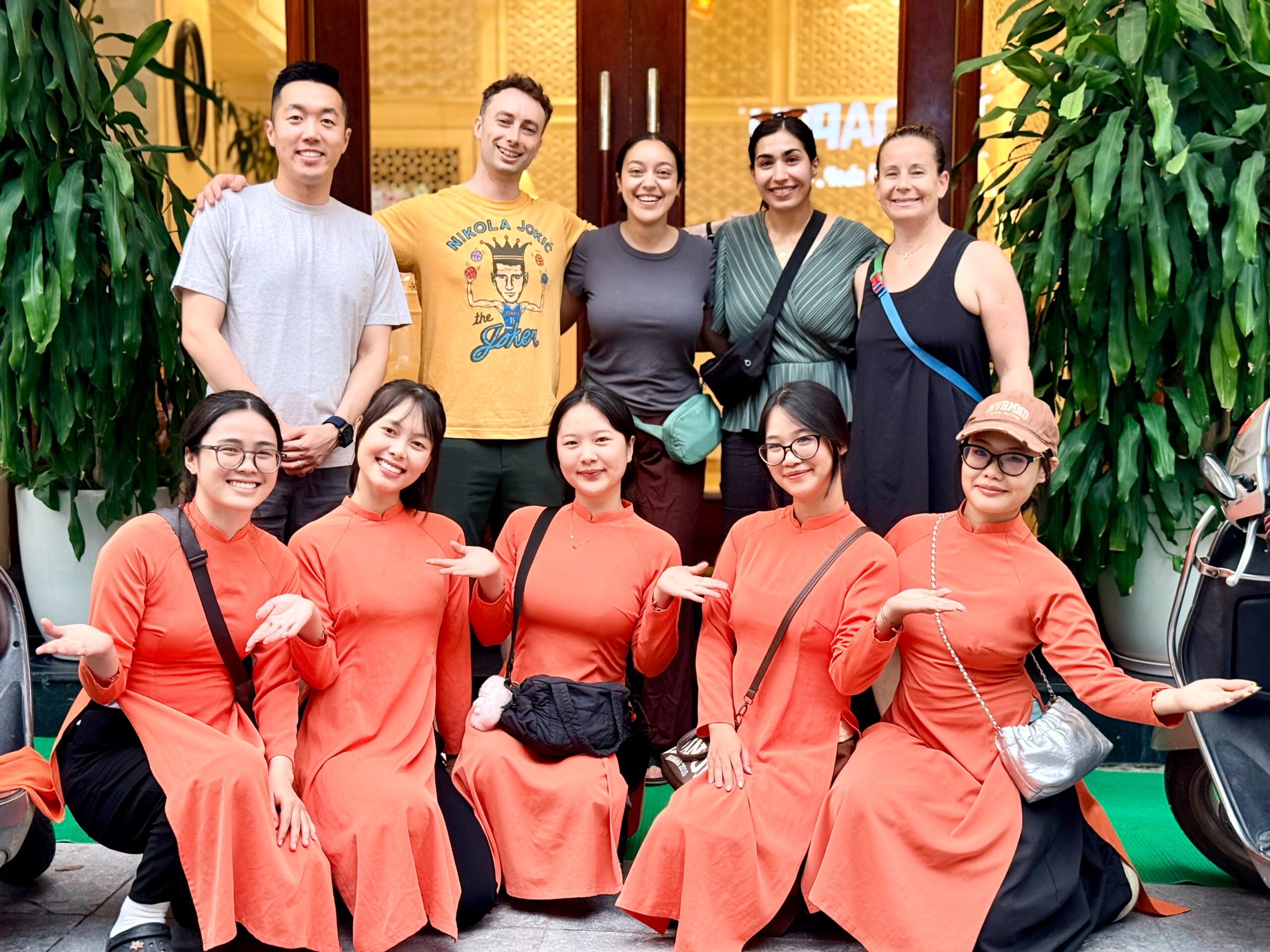
Hanoi Motorbike Tour Through Historic Hanoi
A Hanoi Motorbike Tour Through Historic Hanoi is an ideal way to discover the capital’s past while also seeing how history remains part of everyday life. Instead of visiting historical attractions one by one from a tour bus, you travel between them by motorbike, passing through the Old Quarter, French Quarter, traditional neighborhoods, narrow alleys, local markets and riverside areas. The result is a more connected view of Hanoi, where colonial architecture, wartime history, ancient temples and modern city life appear naturally along the same route.
Why Explore Historic Hanoi by Motorbike?
Hanoi’s history is spread across the city rather than concentrated in one historical district. A short ride can take you from a centuries-old neighborhood to a French colonial boulevard, from Long Bien Bridge to the Red River, and from a residential alley to the Ho Chi Minh Mausoleum area. A motorbike is particularly useful because it can move through narrow streets and smaller neighborhoods that are difficult for buses to access. Current Hanoi motorbike itineraries from Bike Tours Hanoi combine historic landmarks with hidden backstreets, markets, Red River Island and local neighborhoods.
Begin With the Old Quarter
The Hanoi Old Quarter is one of the best places to begin understanding the city’s history. Its narrow streets developed around traditional commercial activities, and many streets still retain names and characteristics connected to the products historically sold there. Riding through the Old Quarter gives you a chance to see old tube houses, small shops, cafés, temples and residential lanes rather than simply stopping at one landmark. The current motorbike routes specifically include narrow alleys and hidden backstreets, allowing visitors to see parts of the historic center that are easy to miss on a conventional sightseeing tour.
Continue Into the French Quarter
From the Old Quarter, the landscape changes as you approach the French Quarter. Wider streets, colonial-era buildings, elegant villas and important civic structures reflect another period in Hanoi’s history. Riding rather than walking makes it possible to connect the Old Quarter and French Quarter efficiently while observing the architectural contrast between them. The current city motorbike itinerary includes French-style houses, Hanoi Opera House and other historic parts of central Hanoi.
Cross Historic Long Bien Bridge
One of the highlights of a historical Hanoi motorbike tour is Long Bien Bridge. Built in 1902 by the Eiffel construction company, the bridge is more than a transportation structure; it has become an important symbol of Hanoi’s history and resilience. Crossing it by motorbike allows you to experience the structure directly while looking over the Red River and surrounding landscape. Current Hanoi motorbike itineraries place Long Bien Bridge near the beginning of the route before continuing toward the Red River and agricultural areas.
See the Red River and Historic Rural Hanoi
After Long Bien Bridge, the city can suddenly feel much less urban. The Red River area contains farms, gardens, banana plantations and small rural communities. This contrast is one of the most interesting aspects of Hanoi: agricultural land exists surprisingly close to the historic center. Current motorbike routes continue from Long Bien Bridge toward Red River Island and Banana Island, where travelers can see farming activity and a quieter side of the capital.
Discover Huu Tiep Lake and the B-52 Wreckage
Historic Hanoi is not limited to colonial architecture and ancient buildings. At Huu Tiep Lake in Ngoc Ha Flower Village, visitors can see the remains of a B-52 bomber associated with the 1972 Christmas bombing. What makes this stop particularly powerful is its setting: the historical wreckage is surrounded by an ordinary residential neighborhood. The current motorbike itinerary includes Huu Tiep Lake as an important wartime-history stop.
Visit the Ho Chi Minh Mausoleum Area
The route can then continue toward Ba Dinh Square, the Ho Chi Minh Mausoleum and the Presidential Palace. This is one of the most historically significant areas in modern Hanoi. Rather than treating the sites as isolated attractions, a motorbike tour allows you to see how these major landmarks fit into the surrounding cityscape. Current women-led motorbike itineraries pass several of these important locations while guides explain their historical and cultural significance.
Ride Past Hanoi Flag Tower
The Hanoi Flag Tower is another important landmark along the historic route. Dating from the early 19th century, it is one of the city’s best-known surviving military structures from the Nguyễn Dynasty period. Its location also makes it a useful reference point for understanding how Hanoi’s older military and administrative areas developed. Current motorbike routes pass the Flag Tower together with the Thang Long Citadel, Opera House and other historic landmarks.
Explore Thang Long Imperial Citadel
The Thang Long Imperial Citadel represents an even older chapter of Hanoi’s history. The site reflects centuries of political and royal development and is one of the most important historical places in the capital. Even if you do not have time for an extended interior visit, passing through the surrounding area with a knowledgeable guide helps place modern Hanoi within its much longer historical timeline. The current motorbike city route includes the citadel among its major landmarks.
See the Temple of Literature
The Temple of Literature is another important stop for travelers interested in Hanoi’s intellectual and cultural history. Established in the 11th century, it is associated with Confucian education and Vietnam’s scholarly traditions. A historical motorbike itinerary can connect the Temple of Literature with other landmarks rather than requiring a separate transfer between attractions. Current Hanoi motorbike routes list the Temple of Literature among the city’s significant cultural landmarks.
Pass Trúc Bạch Lake and West Lake
Historic Hanoi is also closely connected with its lakes. Trúc Bạch Lake and West Lake provide a quieter contrast to the dense streets of the Old Quarter. Along Thanh Niên Road, travelers can see the relationship between old Hanoi neighborhoods and the modern skyline. Current motorbike itineraries include West Lake, Trúc Bạch Lake and Thanh Niên Road as part of the city route.
Discover Hanoi Train Street
Another distinctive historical feature is the Reunification Railway, particularly the section commonly known as Hanoi Train Street. The railway passes directly through a densely populated neighborhood, creating a striking relationship between infrastructure and residential life. It has become one of Hanoi’s most recognizable modern attractions, but access conditions can change. Travelers should follow their guide’s instructions and current local safety rules rather than entering restricted areas independently. Current motorbike itineraries include the railway district as part of their historic Hanoi experience.
Historic Hanoi Is More Than Monuments
One of the biggest advantages of exploring Hanoi by motorbike is that history does not have to be separated from everyday life. You can pass a historic building and immediately turn into a residential alley where families live, eat and work. You can cross a colonial-era bridge and minutes later see farmers cultivating crops beside the Red River. You can visit a wartime relic and then continue through a modern neighborhood. This mixture of past and present is what makes Hanoi particularly interesting for history-focused travelers.
A Sample Hanoi Historic Motorbike Tour Itinerary
A practical half-day route could begin around 8:00 AM with hotel pickup, followed by the Old Quarter and hidden backstreets. From there, ride toward Long Bien Bridge and cross the Red River before exploring Banana Island and its agricultural landscape. Continue toward West Lake and Thanh Niên Road, then visit a local market and Huu Tiep Lake in Ngoc Ha Flower Village. The route can then pass the Hanoi Flag Tower, Thang Long Citadel, Ho Chi Minh Mausoleum, Presidential Palace, Ba Dinh Square and other central landmarks before finishing around lunchtime. This structure closely follows the current published city motorbike itinerary, although the exact order and stops can change according to traffic, weather and local access.
How Long Does a Historic Hanoi Motorbike Tour Take?
A half-day tour is generally enough to see a broad selection of Hanoi’s historic areas without spending the entire day on a motorcycle. Bike Tours Hanoi currently lists its women-led city motorbike experience at approximately 4–4.5 hours, with morning, afternoon, sunset and evening departure options. The morning schedule is currently listed as 8:00 AM–12:30 PM, while the afternoon option runs approximately 1:00 PM–5:30 PM.
Should You Choose Morning or Afternoon?
For a history-focused tour, morning is usually the better choice. The temperatures are generally more comfortable, the city is active with people going to work and markets are lively. Morning light can also be excellent for photography around Long Bien Bridge, the Old Quarter and the Red River. An afternoon departure is better for travelers who prefer a slower morning or want to combine historic sightseeing with sunset views around West Lake.
Do You Need to Drive?
No. On the women-led motorbike experiences offered by Bike Tours Hanoi, travelers ride as passengers behind professional drivers, so previous riding experience is not required. The tours use scooters with passenger backrests, and helmets are provided. This is an important distinction for international visitors who want the freedom of a motorbike experience without having to navigate Hanoi’s traffic themselves.
Is a Motorbike Better Than a Bus for Historic Hanoi?
For a purely landmark-focused itinerary, a bus can be convenient. However, a motorbike is better if you want to connect historic attractions with the neighborhoods surrounding them. A large bus cannot easily enter narrow Old Quarter lanes, small residential streets or agricultural paths around the Red River. A motorbike can move between these environments naturally, making the journey itself part of the historical experience.
Is a Private Historic Motorbike Tour Worth It?
A private tour is particularly useful for travelers with a strong interest in history. You can ask the guide to spend more time at Long Bien Bridge, the B-52 wreckage, Thang Long Citadel or French colonial architecture rather than rushing through every stop. It is also useful for photographers who want additional time at particular locations. Current Bike Tours Hanoi information provides both group and private city motorbike options.
What Should You Wear?
Wear comfortable clothing and secure shoes because you will spend several hours as a passenger. Sunglasses and sunscreen are useful during the day, while a light jacket can be helpful during cooler months. Helmets and rain protection are provided by the operator, according to the current tour information.
What Makes a Good Historic Hanoi Motorbike Tour?
When comparing tours, don’t simply count the number of attractions. Look for an itinerary that connects different historical periods and everyday neighborhoods. A strong route should ideally include some combination of the Old Quarter, French Quarter, Long Bien Bridge, Red River, wartime history, Ho Chi Minh complex, Thang Long Citadel, traditional neighborhoods and the railway district. A knowledgeable local guide is equally important because the value of a historical tour comes from understanding the stories behind the places rather than simply photographing them.
Final Verdict
A Hanoi Motorbike Tour Through Historic Hanoi is one of the best ways to understand the capital as a living historical city. Instead of spending several hours moving between isolated monuments, you travel through the streets and neighborhoods that connect Hanoi’s different eras. From the Old Quarter and French Quarter to Long Bien Bridge, the Red River, Huu Tiep Lake, the Ho Chi Minh complex, Thang Long Citadel, West Lake and Train Street, the experience combines architecture, wartime history, culture and everyday life in a single journey.
If you want to understand Hanoi’s history, don’t only visit its monuments. Ride through the streets where that history is still part of everyday life.